Quick answer: On a winter sun trip, your skin goes from cold, low-UV British weather to hours of very dry cabin air and then into far stronger sun than it’s used to. Moisturise before you board and again mid-flight, keep a lip balm and a solid balm in your bag, and treat the first two days in the sun with care: sun cream applied generously and reapplied every two hours, plus shade, a hat and covered shoulders around midday.
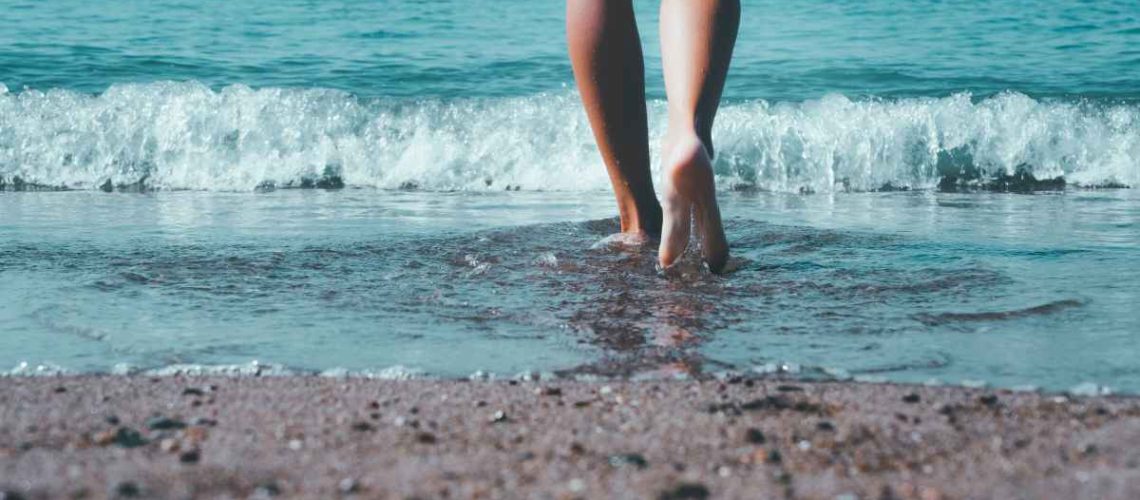
You leave home in the dark, scraping ice off the car. Twelve hours later you’re squinting at a pool in the Canaries, Cape Verde or the Caribbean, with skin that hasn’t seen proper sun since September and a face that feels tight from the flight. That’s the winter sun problem in one sentence: two very different stresses on your skin, back to back, with no time to adjust.
This guide is for anyone heading somewhere warm between November and March, whether that’s a week of walking in Tenerife, a surf trip, a family beach holiday or a long-haul escape over Christmas and New Year. It covers what cabin air does to skin, why winter-pale skin needs extra care in strong sun, what to pack in your hand luggage, and a simple routine for the flight, the first few days and the trip home.
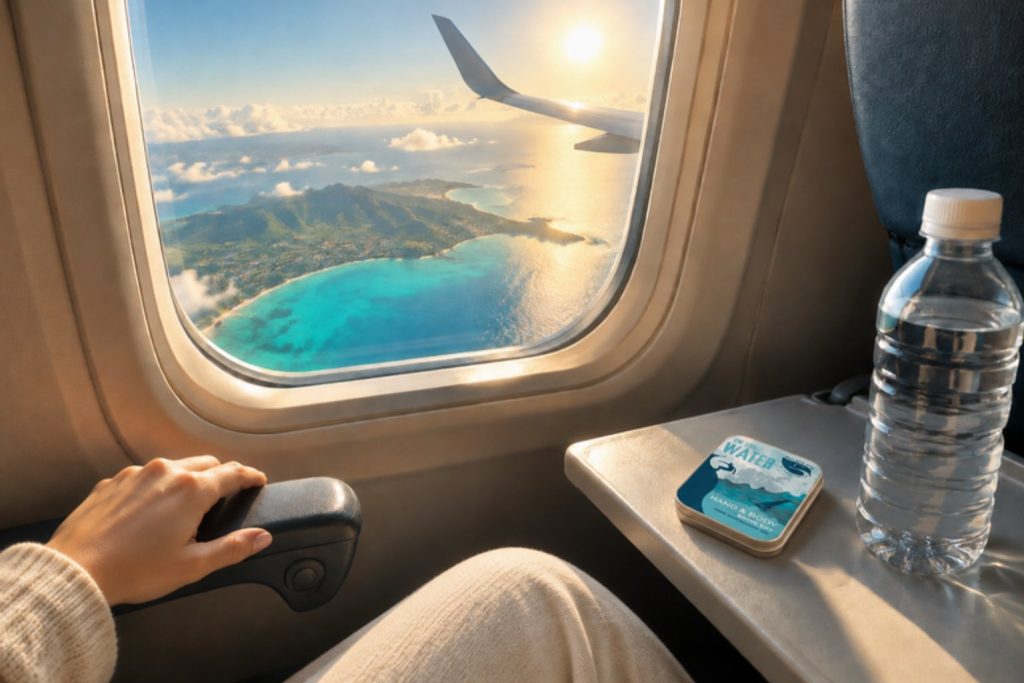
The air outside a plane at cruising height holds almost no moisture. When it’s pressurised and warmed for the cabin, it stays that way. Relative humidity on board usually sits somewhere around 10–20%, well below the 40–60% most people find comfortable at home, and research on long-distance flights has measured it dropping below 10% within a couple of hours of take-off.
Your skin’s outer layer holds water, and in very dry air it loses that water faster. On a short hop you’ll barely notice. On an eight- or eleven-hour flight you’ll feel it: tight cheeks, flaky patches around the nose, dry hands and lips that start to split. The overhead air vent pointed at your face makes it worse, because it’s a steady stream of that same dry air.
There’s also the start point to think about. In December and January most of us have spent weeks moving between cold, damp air outside and centrally heated rooms inside. That combination already leaves skin drier than usual (we’ve covered it in our guide to winter indoor heating and dry skin). So you board with less in reserve than you would in summer.
The fix isn’t complicated. Moisturise before you fly, top up on board, and drink water steadily rather than relying on coffee and the drinks trolley. A rich balm works better than a light lotion in this setting because it leaves a protective layer that slows water loss, rather than sinking in and disappearing in an hour.
In a British winter the UV index rarely gets above 1 or 2. That’s low enough that most people don’t need sun protection day to day. Your skin, meanwhile, has had months without much exposure.
Head south and the picture changes fast. The Canary Islands record Spain’s highest UV levels all year round, and even in January the midday UV index there typically averages around 5, which is moderate and enough to burn fair skin. Further south, in the Caribbean, Cape Verde or south-east Asia, the sun is high in the sky all year and the UV index regularly reaches very high or extreme levels. Water, white sand and light-coloured rock all reflect UV back at you, adding to the dose.
The temperature can fool you too. A breezy 21°C day in Lanzarote doesn’t feel like burning weather, especially when you’ve come from 3°C at home. But UV isn’t heat. You can burn on a cool, windy or cloudy day, and a sea breeze takes away the warning signs.
That’s why the first two days of a winter sun trip catch so many people out. Skin that’s been covered since October hasn’t had the gradual build-up of exposure that spring and summer bring. The NHS is clear that sunburn raises your risk of skin cancer, wherever and whenever it happens, so it’s worth taking those early days seriously.
You don’t need a ten-step routine on a plane. You need three or four small habits, done at the right time.
Wash your face and apply a moisturiser the night before and the morning you travel. Skip heavy make-up for the flight if you normally wear it; bare skin is easier to keep comfortable and easier to top up.
Once you’re through security, put on a layer of balm or moisturiser and your lip balm. Doing it before you board means your skin starts the flight protected rather than playing catch-up.
Top up face, hands and lips every three or four hours, and after you’ve washed your hands. Point the air vent at your chest rather than your face. Drink a glass of water each time the crew come round, and go easy on alcohol, which adds to the dehydrating effect of the cabin.
If you’re landing in daylight in a sunny destination, you’ll walk straight into strong UV. Have your sun cream somewhere you can reach it before you leave the plane, not buried in the hold.
| When | What to do | Why it helps |
|---|---|---|
| Night before and morning of travel | Moisturise face and hands | Starts the flight with skin well hydrated |
| After security | Balm on face, hands and lips | Puts a protective layer on before the dry air starts |
| Every 3–4 hours on board | Top up balm and lip balm; drink water | Slows water loss through a long flight |
| After washing hands | Hand balm or cream | Soap and dry air together strip hands fast |
| Before you get off | Sun cream within reach | You may walk straight into strong sun |
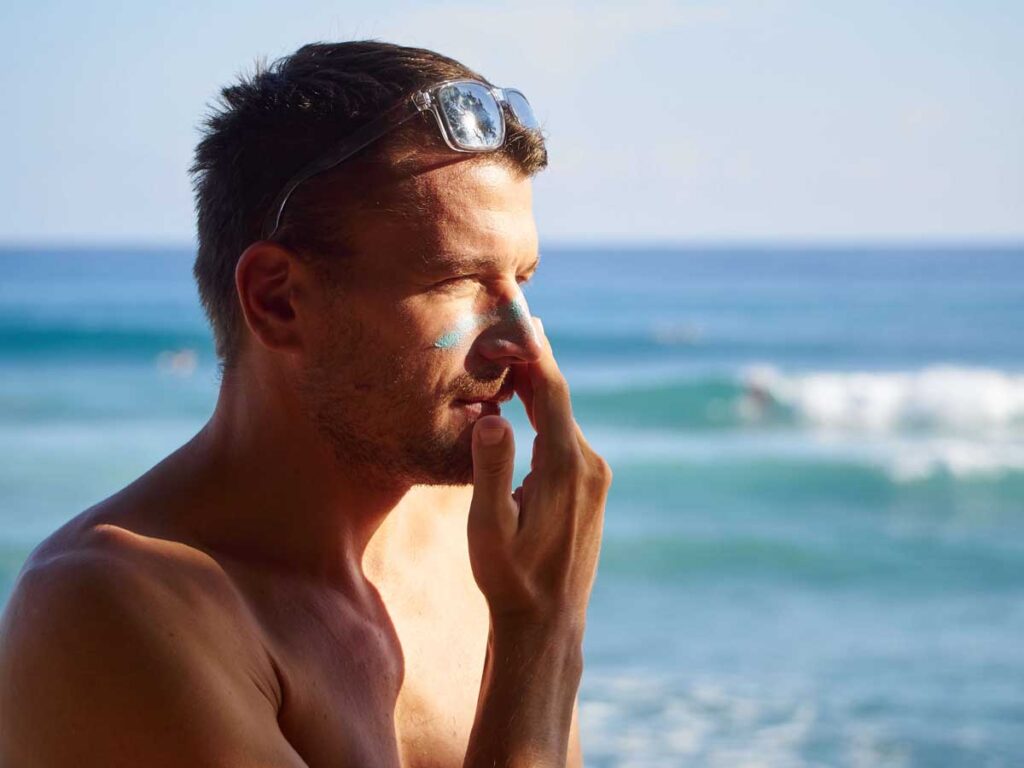
The NHS advice on sunscreen is straightforward. Look for a sun protection factor (SPF) of at least 30 for UVB protection, and at least 4-star UVA protection or the “UVA” circle logo. Apply it generously, reapply at least every two hours and straight after swimming or towelling off, and use it alongside shade, clothing and a hat rather than instead of them.
It’s worth being honest about where our own sun cream fits. Balmy Fox Sun Protection Creams are SPF 25, which sits in the medium protection band. That’s below the NHS’s recommended minimum of SPF 30. So if you’re planning long, unbroken days on a beach or a boat in high UV, follow the NHS guideline and choose a sun cream rated SPF 30 or higher for those days, or plan your day so you’re in the shade through the middle hours.
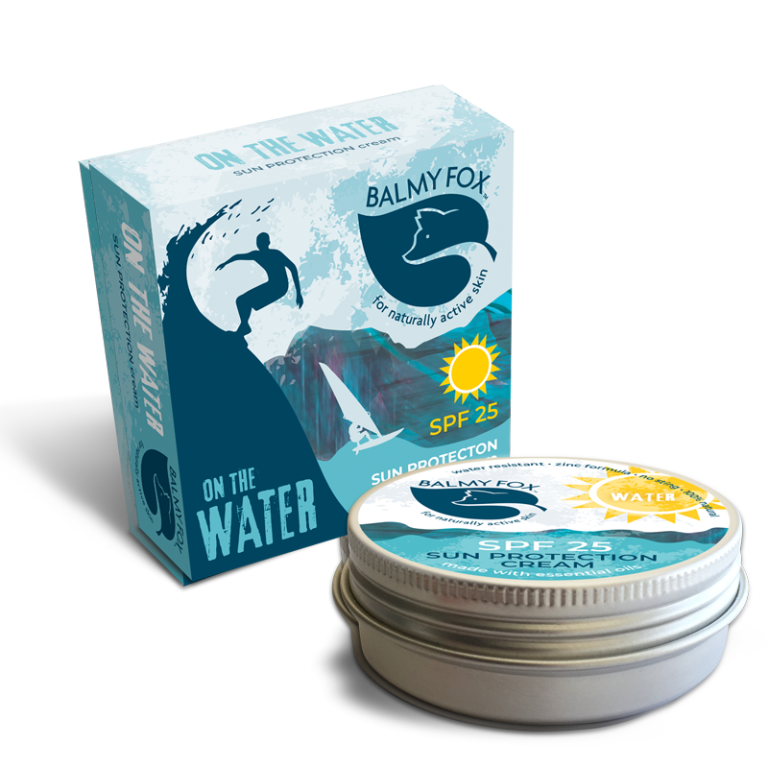
Where an SPF 25 mineral cream earns its place is in the way people actually spend an active winter sun holiday: a morning walk or run, a surf session, a swim, then lunch in the shade. Our creams use zinc oxide, a mineral filter that sits on the skin’s surface, and they’re made without oxybenzone or octinoxate, two chemical filters linked to harm on coral reefs. The Water version is water-resistant, which helps through a swim, though no sun cream stays put forever in the sea, so reapply when you come out.
Whatever you use, the biggest gains come from how you use it:
If you’re unsure what a label means, our article on how sunscreen stays put through sweat and water explains water resistance and reapplication in more detail, and our honest guide to reef-safe sunscreen covers what “reef-safe” does and doesn’t mean.
Treat the first two days as a warm-up. Your skin will thank you for the rest of the trip.
If you do burn, get out of the sun, cool the skin with a cool shower or damp cloth, drink water, and keep the area covered until it settles. A pharmacist can advise on easing it. The NHS advises getting medical help, for example through NHS 111 or a local doctor abroad, if the skin blisters or swells badly, or you feel hot and shivery, dizzy or sick. Take extra care with children.
Your hand luggage is where skincare does the most good on a winter sun trip, because it’s with you for the flight and the first hours after landing. Liquids rules vary between airports as newer security scanners are introduced, so check your departure airport’s current rules before you pack. Where limits apply, the familiar standard is containers of 100ml or less, in a single clear bag.
Balmy Fox tins hold 60g, comfortably under 100ml, and screw shut, so they won’t pop open in a bag. The Balm Bar is a solid, so it isn’t treated as a liquid at all and can stay in your bag outside the liquids pouch. We go into the detail in skincare in hand luggage and the 100ml rule.
| Item | Use it for | Liquids bag? |
|---|---|---|
| Solid balm bar | Face, hands and elbows on the flight; after-sun moisture | No, it’s a solid |
| Lip balm (ideally with SPF) | Cabin air on the way out, sun on arrival | Check your airport’s rules |
| Sun cream, 100ml or less | Landing in daylight and the first afternoon | Yes, if limits apply |
| Hand cream or balm | After washing hands on board | Yes, if it’s a cream |
| Refillable water bottle (empty through security) | Staying hydrated on the flight | Not applicable |
| Sunglasses and a packable hat | Walking out of the airport into bright sun | Not applicable |
The return trip is the same problem in reverse. Another long, dry flight, then cold wind and central heating, landing on skin that’s had a week or two of sun and salt water.
Keep the same flight routine on the way home: moisturise before you board, top up during the flight, and drink water. Once you’re back, give your skin a few days of steady moisturising, especially hands and lips, which take the brunt of the switch from warm to cold. Our guide to chapped lips in cold weather is a useful next read if yours split on the way home.
Moisturise before you board, top up every three or four hours, and drink water regularly. A rich balm is more useful than a light lotion because it leaves a protective layer that slows water loss in the very dry cabin air. Point the air vent away from your face and limit alcohol.
Air at cruising altitude contains very little moisture, and warming it for the cabin doesn’t add any. Cabin humidity typically sits around 10–20%, compared with the 40–60% most people are comfortable with at home.
Yes. The Canary Islands have the highest UV levels in Spain all year, and the midday UV index in January typically averages around 5, which is enough to burn fair or winter-pale skin. Use sun cream, shade and a hat, especially in the middle of the day.
The NHS recommends a sunscreen with at least SPF 30 and at least 4-star UVA protection, applied generously and reapplied every two hours. Use it alongside shade and clothing. Balmy Fox creams are SPF 25, so for long days in high UV, follow the NHS guidance and choose SPF 30 or higher.
Yes. Sunburn is caused by UV, not heat. A cool, windy or cloudy day can still have a high UV index, and a breeze removes the warning feeling of heat on your skin.
Skin that hasn’t had regular sun for months hasn’t built up any gradual exposure, so the first days of a winter sun trip are when many people burn. Ease into it with shade at midday, covering up and regular sun cream.
Yes. If liquids limits apply at your airport, creams and balms in tins count as liquids or pastes, so keep them at 100ml or less in your clear bag. Balmy Fox tins are 60g. A solid balm bar isn’t a liquid, so it can go in your bag outside the liquids pouch. Check your airport’s current rules before you travel.
No. A solid bar is treated like a bar of soap rather than a liquid or gel, so it doesn’t need to go in your liquids bag. Rules vary by airport and country, so check before you fly.
For the flight itself, moisturiser matters more than sun cream. But if you’ll be landing in daylight in a sunny destination, keep sun cream in your hand luggage so you can apply it before you leave the airport. Window seats can also let in some UVA through the glass.
There’s no legal definition of “reef-safe”. It usually means a sunscreen made without oxybenzone and octinoxate, two chemical filters linked to harm on coral reefs. Balmy Fox sun creams use zinc oxide and contain neither.
At least every two hours, and straight after swimming, heavy sweating or towelling off, even if the product is water-resistant. Most people also apply too little the first time, so be generous.
Rinse off salt water and chlorine, then moisturise while your skin is still slightly damp. Drink plenty of water. If you’ve burned, cool the skin, keep it covered and out of the sun, and seek medical advice if there’s widespread blistering or you feel unwell.
Lips have almost no oil glands of their own, so dry cabin air, sun, wind and salt water all dry them quickly. Use a lip balm on the flight and an SPF lip balm in the sun, and reapply often.
Keep moisturising on the flight home, then for the first few days back give extra attention to hands, lips and face, which take the brunt of the change from warm sun to cold wind and central heating.
Our tins are made in Mid Wales with plant-based ingredients and beeswax, and every one of them is small enough to live in your hand luggage.
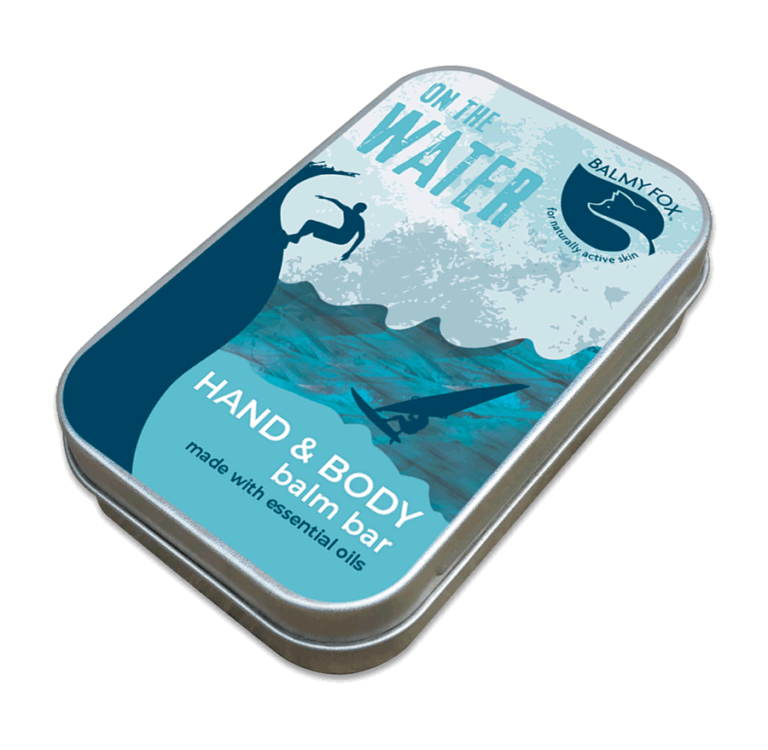
Water Balm Bar (£16.90). A solid moisturising balm made with beeswax and plant waxes. Because it’s a solid, it skips the liquids bag entirely. Use it on face, hands and elbows through the flight and in the evening after a day in sun and salt water.
Water Resistant Sun Protection Cream SPF 25 (£17.30). A mineral sun cream using zinc oxide, made without oxybenzone or octinoxate, in a 60g screw-top tin. Best for active days with shade breaks, used with a hat and cover-up. For long days in strong sun, follow the NHS SPF 30 guidance.
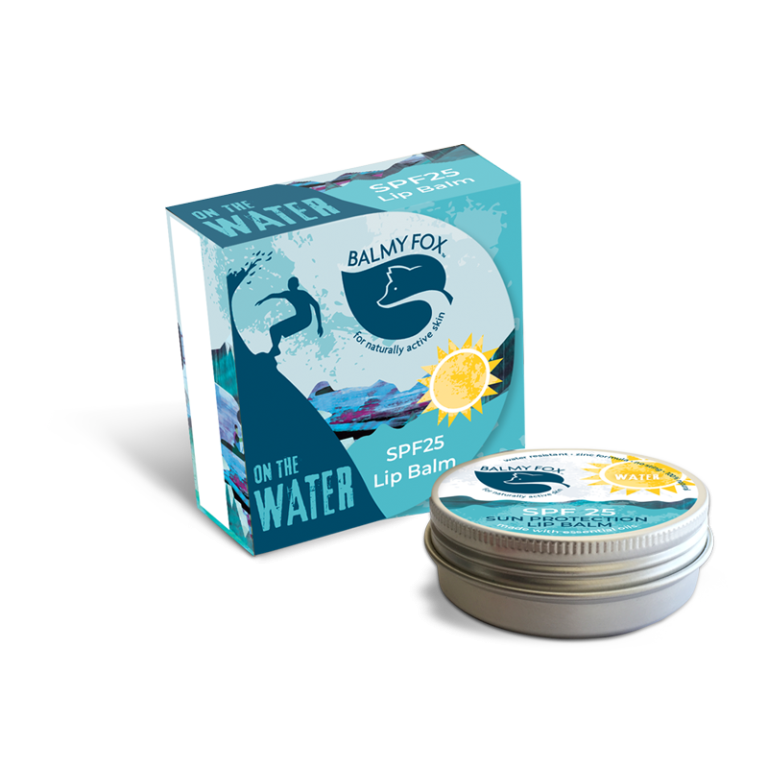
Water Sun Protection Lip Balm SPF 25 (£8.95). Covers the lips on the beach, the boat or the walk to lunch, and keeps them comfortable on the flight.
Water Moisturising Cream Tin (£14.85). A lighter daily moisturiser with plant oils and vegetable glycerin, for after a rinse-off shower when the balm feels too rich for a hot evening.
Heading off with someone else? Our Water kits pair these up, and a Christmas Gift Bag turns them into a present.
Winter sun is a brilliant thing to look forward to in a dark British January. Give your skin a fighting chance: balm on the flight, care in the first two days, sun cream used properly and shade at midday. Browse the Water range and build a hand-luggage kit that goes wherever the sun is.