You’ve made it to the Med. The water is that particular shade of blue that doesn’t exist in Wales. You reach into your bag for the suncream — and the bottle has exploded. Again.
Conventional sunscreen in plastic bottles and summer travel have never been well-matched. Heat in the hold makes them expand. Pressure changes pop the lids. And that’s before you get to the question of what you’re actually putting on your skin, and what happens to it when you swim off a reef.
Reef-safe sunscreen is more than a marketing term. Here’s what it actually means, why it matters, and how to travel with SPF that works — without the mess.
Most conventional sunscreens use chemical UV filters — oxybenzone and octinoxate are the two most common. These are absorbed into the skin rather than sitting on its surface, which is why they feel lighter and less visible. They’re also the reason most mainstream sunscreens are not reef-safe.
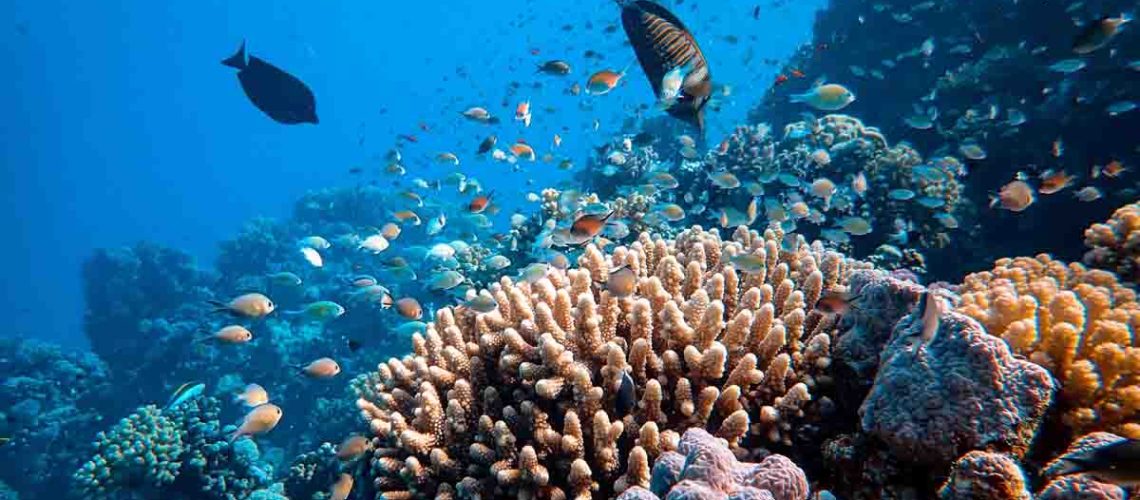
Research published in the last decade has linked oxybenzone and octinoxate to coral bleaching. The chemicals are taken up by coral polyps and interfere with reproduction and development. Concentrations as low as 62 parts per trillion — achievable in popular snorkelling spots after a busy day — have been shown to cause damage. Hawaii and several Caribbean islands have now banned these filters outright.
Mineral sunscreens use zinc oxide or titanium dioxide instead. These sit on the skin surface as a physical barrier, scattering and reflecting UV. They don’t get absorbed, and they don’t accumulate in marine environments in the same way. Non-nano zinc oxide — the particle size matters — doesn’t penetrate coral tissue.
Balmy Fox SPF 25 uses non-nano zinc oxide as its only UV filter. No oxybenzone. No octinoxate. No chemical filters at all. It’s the honest version of reef-safe.
The honest answer is: yes, but it’s different. Zinc oxide sunscreen goes on white and takes a few minutes to blend in. On fair skin it disappears quickly; on very dark skin there’s more of a white cast. It’s not invisible, and it doesn’t pretend to be.
What it does well: it sits on the skin surface and stays there. It’s not washed off by water the way some chemical filters are. It doesn’t degrade in sunlight (unlike avobenzone, which breaks down within an hour). And it works immediately on application — no 20-minute wait time.
SPF 25 is the right level for most outdoor activity in southern Europe. It blocks around 96% of UVB radiation. For very fair skin or high-altitude environments, topping up regularly is more important than choosing a higher SPF number.
Sunscreen is one of those holiday items that causes disproportionate friction at airport security. Standard bottles are 150ml or 200ml, which puts them over the 100ml liquid limit. Checked luggage means hoping they survive the hold. It’s a problem that most people solve by buying mediocre suncream at the destination airport for three times the price.
Balmy Fox SPF 25 comes in a 60g aluminium tin — well within the 100ml airline liquid allowance. Screw-top sealed, so pressure changes in the hold or in your carry-on don’t cause leaks. Aluminium doesn’t crack or split. The tin fits in a jacket pocket, a rucksack side pouch, or a beach bag side zip.
You can take it through security in your toiletries bag, and it will be there at the other end. This sounds like a low bar, but if you’ve ever had a 200ml bottle confiscated or arrived at a hotel with SPF all over your clothes, it’s actually quite significant.
For a week in the Med — sailing, snorkelling, swimming, evenings on a terrace — the Balmy Fox core trio covers the main skin challenges:
SPF 25 Mineral Sun Cream — the main UV protection for face, shoulders and any exposed skin. Reef-safe for snorkelling and swimming. Reapply after extended time in the water.
Water Repair Balm — for the skin dryness that comes from repeated salt water and sun exposure. The combination of salt, UV and wind strips moisture faster than most holiday-makers expect. Apply in the evening after showering to restore the skin barrier.
SPF Lip Balm — lips are among the most UV-exposed and least protected areas on most people. Also works for sun on the nose. Small enough to live in a swimming costume pocket.
All three are 60g or smaller. All three pass through airport security in your carry-on. None of them contain the reef-damaging chemicals that are increasingly banned at popular dive sites.
Some popular snorkelling and diving destinations — including parts of the Canaries, Majorca, and many Greek islands — are now requesting or requiring mineral-only sunscreen at marine nature reserves. This is likely to expand. Travelling with a reef-safe SPF already removes any friction at the water’s edge.
The Balmy Fox range is available at balmyfox.co.uk. The Water range brings together the products most useful for sea, lake and river holidays — packed, as always, in tins that actually survive the journey.