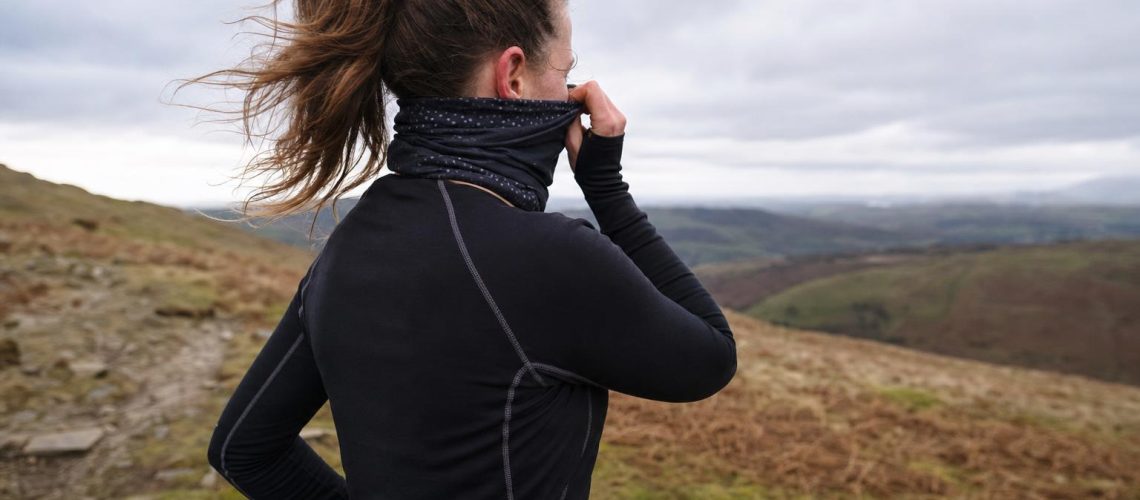
Quick answer: Lips crack faster than the rest of your face in cold weather because they have no oil glands and a much thinner outer layer, so they lose moisture to dry, windy air far quicker than skin elsewhere. Constant licking makes it worse, since saliva evaporates and takes moisture with it. The fix is a barrier balm applied often, before lips feel dry rather than after, plus cutting out the licking habit that undoes it. A balm with SPF matters even in winter, since UV plus wind is a common combination on hills and open coastline.
Stand on a hilltop in January for twenty minutes and it’s usually your lips that complain first, not your cheeks or your hands. That’s not bad luck. Lips are built differently from the rest of your facial skin, and cold, dry, moving air finds that difference immediately.
This article is for anyone who spends real time outside in a UK winter, runners, walkers, cyclists, skiers, or anyone standing on a touchline or a dog walk in the wind, and wants to understand why their lips crack before anything else does, what actually helps, and when cracked lips are a sign of something else worth checking.
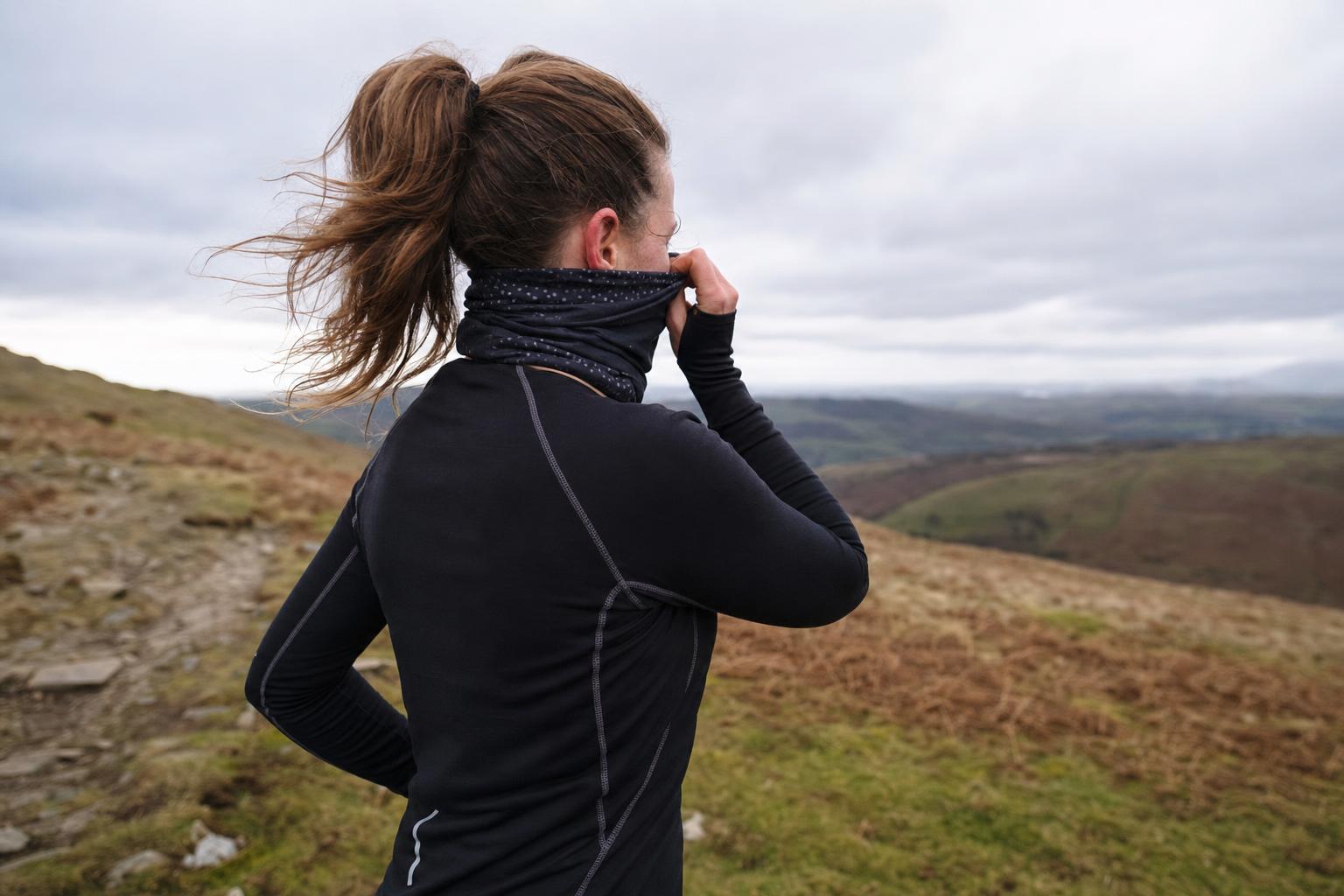
The skin on your lips is only three to five cell layers thick, compared with up to sixteen layers on the rest of your face. There is no stratum corneum in the same protective thickness, and crucially, lips have no oil glands (sebaceous glands) at all. The rest of your face constantly produces a thin layer of natural oil that slows down moisture loss. Lips cannot do that.
That means lips rely almost entirely on whatever barrier you put on them, or on saliva, which is a poor substitute and actively part of the problem. Add the fact that lips are never covered by clothing, sit right in the path of wind, and move constantly when you talk, eat or breathe hard on a run, and it is little wonder they are usually first to crack.
Three things are usually happening at once outdoors in winter, and each one draws moisture out of your lips faster than your body can replace it:
Once the surface starts to dry out, it becomes less flexible. Ordinary lip movement then causes small cracks, particularly at the corners and along the vertical lines of the lip itself. Once a crack forms, it is more exposed and takes longer to settle, which is why chapped lips tend to get steadily worse across a cold snap rather than better.
| Condition | What it does to lips | Worst case |
|---|---|---|
| Low humidity / cold air | Draws moisture out faster than skin can replace it | Central heating indoors adds to this, see our guide to winter indoor heating and dry skin |
| Wind | Strips the surface moisture layer and speeds up evaporation | Exposed hilltops, coastal paths, moving fast on a bike or ski run |
| Winter sun / UV | Dries and can burn thin lip skin, worse at altitude and on snow or water | Ski slopes, open water, high ridgelines on a clear winter day |
A handful of very ordinary habits quietly undo whatever balm you are using, and most people do not realise they are doing them.
This is the single biggest one. Saliva feels soothing for a few seconds, but it evaporates fast, and as it does, it pulls existing moisture from the lip surface with it, leaving lips drier than before you licked them. It is a genuinely difficult habit to break because it is usually unconscious, but it is worth noticing on a cold run or walk, since it can undo an entire tube of balm.
Flaking, dry skin looks like something to remove. Picking it tears healthy skin underneath along with the dead layer, which is exactly how a small dry patch turns into a proper crack or a split at the corner of the mouth.
Hard effort, running uphill, cycling into a headwind, often means mouth breathing, which dries lips directly with every breath. There is no way to avoid this entirely during real effort, but it is a reason lips dry out faster on a hard session than on an easy one, and worth compensating for with more frequent balm.
Some lip products, particularly minty or menthol ones, and some flavoured balms, can feel soothing on contact but offer very little actual barrier protection, or can even be mildly irritating with repeated use on already-cracked skin. A plain, occlusive barrier balm reapplied often works better than a scented one used sparingly.
The principle is simple even if the discipline is the hard part: apply before lips feel dry, not after, and reapply on a schedule rather than waiting for discomfort.
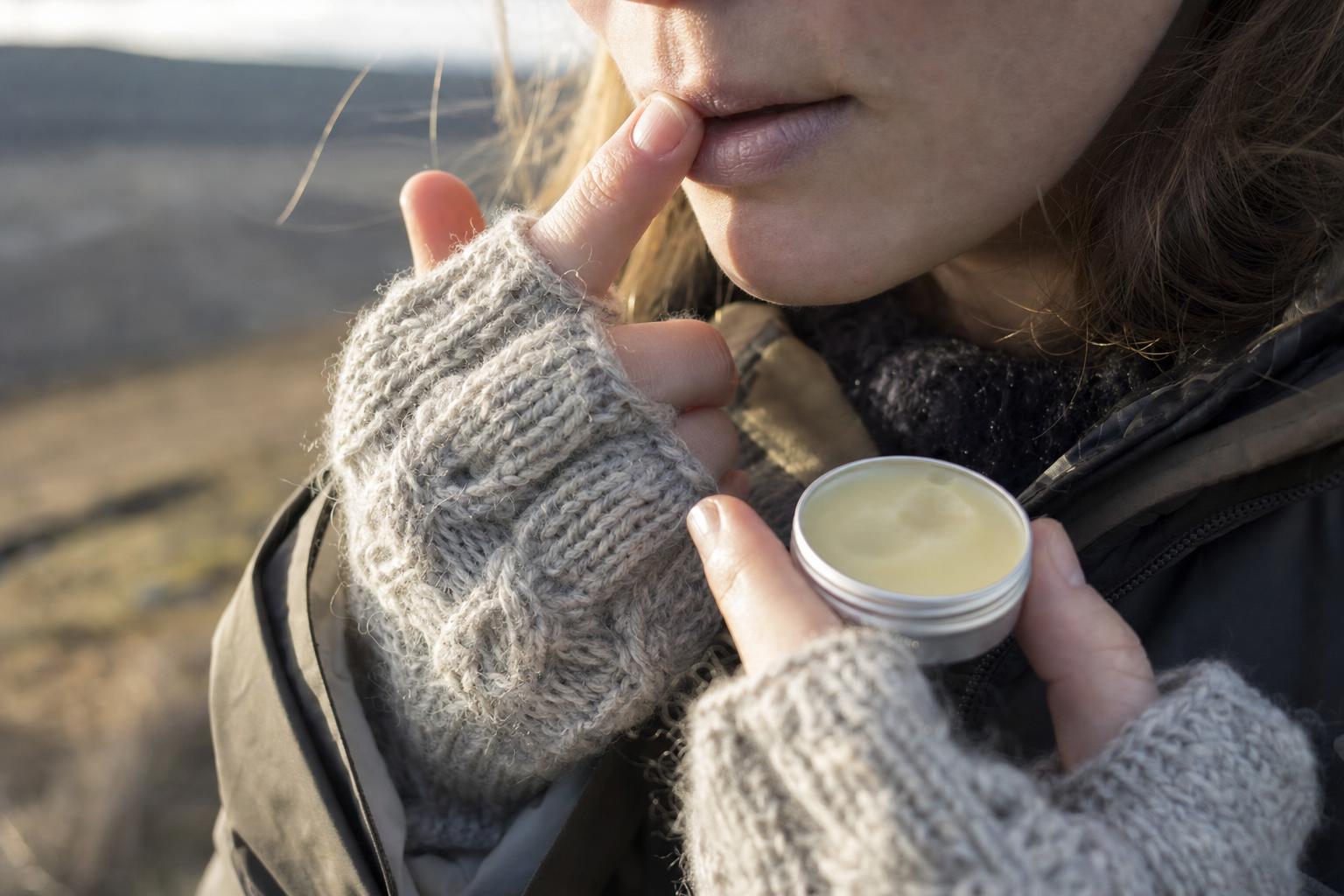
If you already have cracked or split skin, be patient with it. A barrier balm protects the area and stops it getting worse via more moisture loss, but a proper crack still takes several days to settle even once you stop the habits and conditions that caused it. Consistency matters more than any single application.
The mechanism is the same everywhere, moisture loss faster than skin can replace it, but different outdoor activities load the dice in different ways, and it is worth knowing which factor matters most for what you actually do.
Hard effort means heavier breathing and more mouth breathing than a gentle walk, which dries lips directly with every breath. Wind chill from your own moving speed adds to whatever the weather is doing, even on a still day, a 12 km/h run pace creates its own headwind. Reapplying before you set off and, on longer runs, carrying a small balm for a mid-run top-up matters more here than almost any other activity, since the drying effect starts from the first few minutes.
Cyclists face the same self-generated wind chill as runners, at considerably higher speeds, plus longer continuous exposure on a road ride or a winter commute. Balm tends to wear off faster from wind speed alone, so a jersey-pocket or bar-bag tin that is genuinely easy to reach mid-ride is worth more than a bigger tub left at home.
Slower pace means less self-generated wind, but longer time outdoors overall, and UK hill walking often means more exposure to altitude and open, unsheltered ground than a lowland run or ride. Reapplication on a time-based schedule, rather than only at rest stops, suits this better, since a long, steady walk can pass hours between natural pauses.
As covered above, skiing genuinely stacks every risk factor at once: altitude, snow glare, wind speed on a lift or a run, and cold, dry mountain air. This is consistently the activity where lip damage is worst, and where an SPF-rated balm, reapplied through the day rather than once at the bottom of the lift, makes the most visible difference.
Salt air and reflected UV off water add a drying effect on top of ordinary wind and cold, and hands are often too wet or too occupied to reapply as often as on land. A balm that goes on cleanly over slightly damp skin, and that you remember to use before you are already on the water rather than once your lips are stinging, makes the biggest difference here.
Not every lip product is built for the same situation. Three questions are worth asking before you reach for one:
| Situation | What to look for | Why |
|---|---|---|
| Everyday cold, wind, walking, running | A plain barrier balm, unscented or lightly scented | Frequent reapplication matters more than any single ingredient, pick one you will actually use often |
| Bright winter days, altitude, snow, open water | An SPF-rated lip balm | UV reflected off snow and water reaches lips even on a cold day; printed SPF is the only figure worth relying on |
| Travelling with hand luggage only | A screw-top tin under 100ml, or a solid balm | Avoids any question at airport security, see our carry-on skincare guide |
Whichever you choose, only rely on the SPF figure printed on the product itself, do not assume “winter” or “outdoor” means sun-protected unless it is explicitly SPF-rated. A balm with no SPF still helps against wind and cold; it simply is not doing anything against UV.
Ordinary chapping settles within a few days to a couple of weeks once you are consistent with a barrier balm and cut out licking and picking. A few signs are worth a pharmacist or GP visit rather than more balm:
A pharmacist is a quick, free first port of call in the UK for anything that is not settling, and can tell you whether it is still ordinary chapping or something that needs a GP.
Lips have no oil glands and a much thinner outer layer than facial skin, so they lose moisture to dry or windy air faster than anywhere else, and show the effects sooner.
No. Saliva evaporates quickly and takes existing moisture from the lip surface with it, which usually leaves lips drier within a few minutes than before you licked them.
On bright days, at altitude, or near snow or open water, yes, UV reflects off these surfaces and reaches lips even when the air feels cold. Check the SPF figure printed on the balm itself rather than assuming any winter product includes it.
Roughly every 60 to 90 minutes in ordinary cold, and more often in strong wind, plus after eating, drinking, or anything that wipes the balm off the surface.
It can form a barrier that reduces moisture loss, but it contains no active ingredients to help the skin itself and some people find it needs very frequent reapplication outdoors, since wind removes a thin layer quickly. A plant-oil and wax-based barrier balm gives a similar barrier effect from ingredients that also carry their own emollient properties.
The corners flex the most with talking, eating and smiling, so once the skin starts to dry out, movement there causes cracking first. Saliva can also pool slightly at the corners, adding to the drying effect.
Being dehydrated can contribute, but most winter chapping is caused by the external environment, cold, dry air and wind, rather than how much water you’re drinking. Both barrier balm and adequate fluids are worth attending to, but balm addresses the main mechanism directly.
Gently, if at all, and never by picking or biting. If flaking is bothering you, a soft flannel with a little warm water can help lift loose flakes without tearing the skin underneath, then apply balm straight away.
Altitude increases UV intensity, snow reflects a large proportion of that UV back upward onto the face, cold air is drier, and wind speed on a slope or a lift is usually higher than on ground level, all four factors stack at once, which is why ski trips are often the worst case for lip damage all year.
Menthol and peppermint can feel cooling and pleasant on contact, but that sensation isn’t the same as barrier protection, and on already-cracked skin some people find these ingredients mildly irritating rather than soothing. A plain barrier balm is usually the safer everyday choice for genuinely chapped lips.
Yes, a standard lip balm tin is far under the 100ml liquid allowance, and a solid balm bar isn’t classed as a liquid at all, so neither raises any question at security.
Ordinary chapping usually settles within a few days to two weeks once you’re consistently applying a barrier balm and have stopped licking or picking. Deeper cracks can take longer and are worth a pharmacist’s opinion if they aren’t improving.
The same principles apply, barrier balm, regular reapplication, SPF on bright or snowy days, though younger children may need an adult to manage reapplication and to discourage licking, since they’re less likely to notice or manage it themselves.
It supports overall skin condition but won’t outweigh what wind and dry air are doing to unprotected lips. Barrier balm addresses the direct cause; hydration is a helpful addition, not a substitute.
Chapped lips respond well to a simple routine applied consistently: a barrier balm on before you go out, reapplied on a schedule rather than in response to discomfort, an SPF-rated option for bright or high-altitude days, and cutting out the licking habit that undoes all of it. None of this needs to be complicated, it is mostly about not skipping the boring, regular reapplication that actually works.
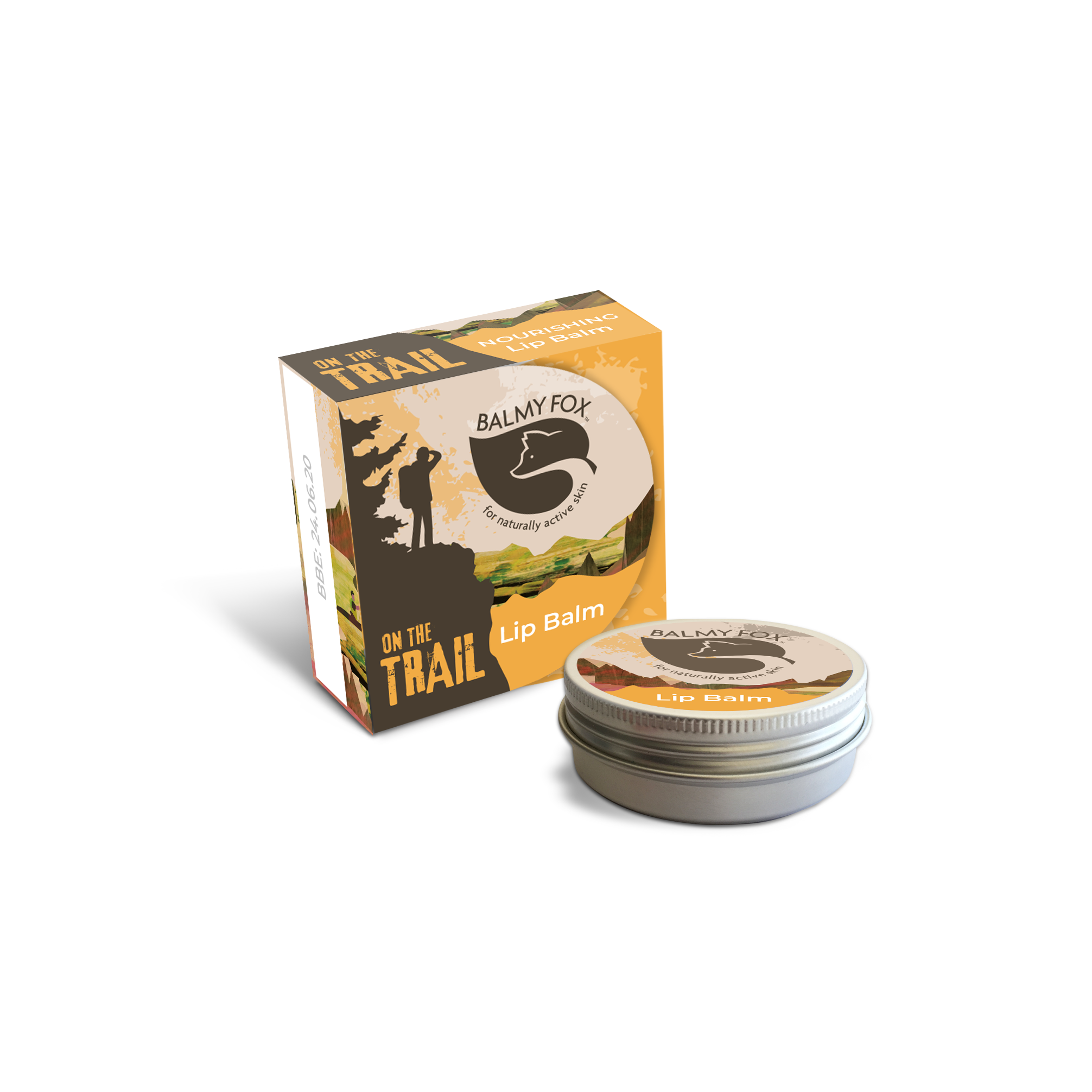
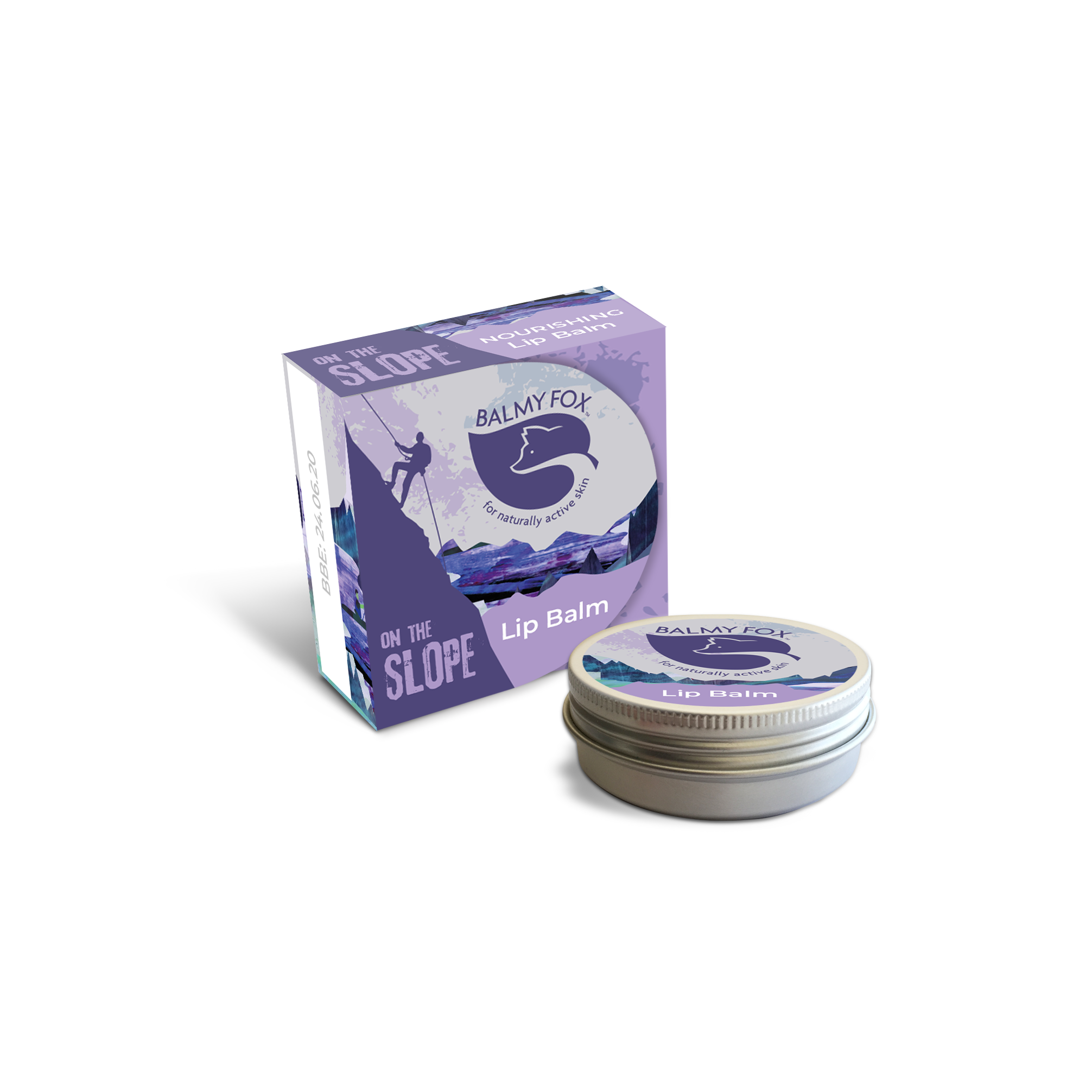
Balmy Fox’s lip balms are built around that principle: a plain, effective barrier in a 60g screw-top tin that’s well within airline hand-luggage limits and small enough to keep in a jacket pocket where you’ll actually reach for it. The Trail, Slope and Water Lip Balms cover everyday cold and wind protection across running, walking, cycling and time on the water, while the SPF 25 Sun Protection Lip Balms, available across Trail, Slope, Water and Vegan formulations, add the printed SPF rating worth having on bright winter days, at altitude, or anywhere near snow or open water. None contain menthol or added fragrance designed to mask the balm itself, so they’re suited to lips that are already cracked as much as to everyday prevention.
Whichever range fits your activity, the same rule applies: little and often beats a lot, occasionally. Find the balm that matches your winter and keep it somewhere you’ll actually use it.
Explore the full lip balm range, and the Trail, Slope and Water kits built around it, at balmyfox.co.uk.