

Quick answer: A Boxing Day or New Year’s Day dip means getting into UK sea water of around 6–10°C, so safety comes first: join an organised dip, wear a wetsuit if you can, walk in slowly and never run or dive in, and if in doubt, stay out. For your skin, put a balm on your face and hands and lip balm on before you go in, then dry off, layer up and moisturise once you’re warm.
It’s 11 o’clock on Boxing Day. There’s a crowd on the beach in Santa hats, a lifeboat crew handing out leaflets, and a sea that looks a lot greyer than it did in August. You’ve signed up, the money’s raised, and in ten minutes you’ll be up to your waist in water that’s barely above fridge temperature.
Festive dips have become a tradition up and down the coast, from Christmas Day swims in Wales to New Year’s Day plunges in Cornwall and the North East, many of them raising money for the RNLI and local charities. Most people taking part don’t swim in cold water the rest of the year. This guide is for them: first-timers, once-a-year dippers and anyone being talked into it by a friend.
It covers what cold water does to your body and skin, how to stay safe, what to pack, and a simple before-and-after routine for the cold, salt and wind that come with a December sea. It isn’t a substitute for the safety briefing at your event, so listen to the organisers and lifeguards on the day.
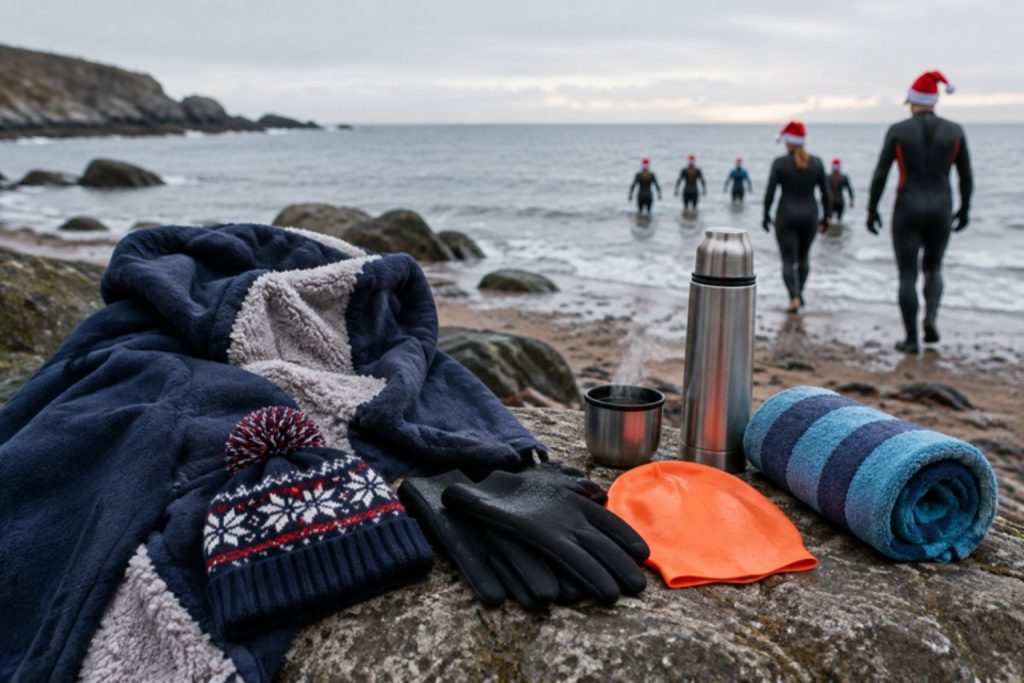
UK sea temperatures usually fall to somewhere between 6°C and 10°C over the winter. That’s well below the point, around 15°C, at which the RNLI says cold water shock becomes a risk.
Cold water shock is your body’s automatic reaction to sudden cold. In the first minute you may gasp involuntarily, breathe fast and find it hard to control your breathing. Your heart rate and blood pressure jump. If your head goes under during that first gasp, you can breathe in water. This is why the advice from lifesaving charities focuses so heavily on how you get in, not how long you stay.
The good news is that the shock response passes. For most people it settles within a minute or so, which is why the RNLI’s “Float to Live” advice is to lean back, keep your airway clear and float until your breathing is under control, rather than thrashing or trying to swim hard.
The longer you stay in, the more your hands and feet lose strength and feeling as your body pulls blood towards your core. On a festive dip, a few minutes is plenty. There’s no prize for staying in longest.
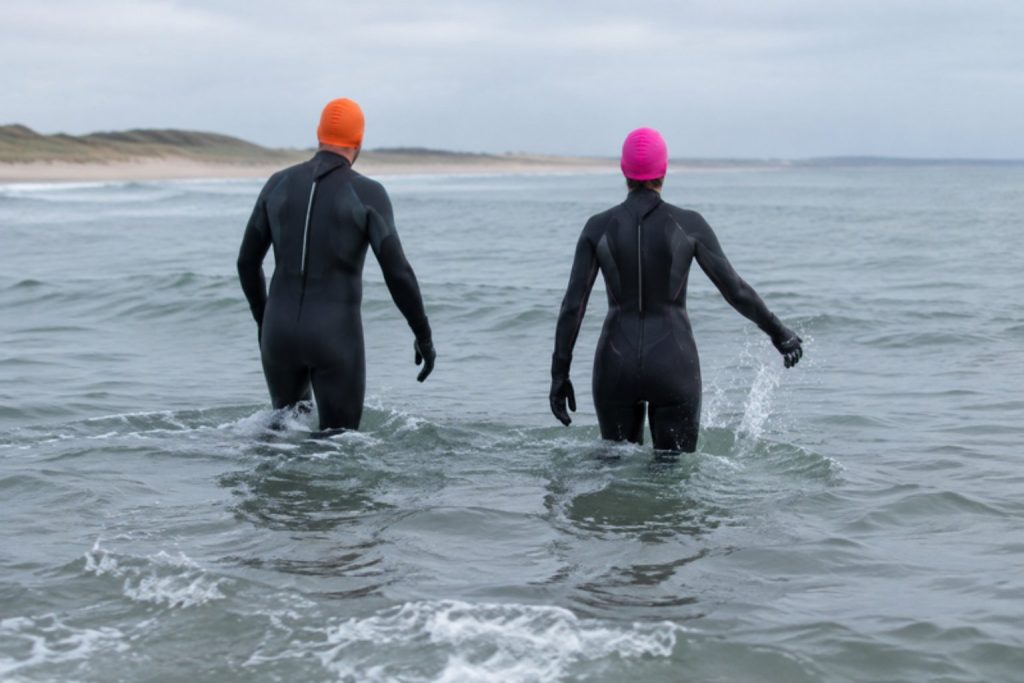
The RNLI, Royal Life Saving Society UK and coastguard services repeat the same core advice every December. It’s worth reading before you go, not on the beach.
Some health conditions change how your body copes with cold water shock, including heart conditions, high blood pressure, asthma and other breathing problems, and pregnancy. If any of these apply to you, speak to your GP before signing up.
| Do | Don’t |
|---|---|
| Join an organised dip with safety cover | Swim alone or at an unfamiliar, unpatrolled spot |
| Walk in slowly and control your breathing | Run in, jump or dive |
| Float on your back if the cold takes your breath | Thrash about or try to swim hard straight away |
| Keep it short: a few minutes is enough | Try to outlast everyone else |
| Have warm layers ready on the beach | Leave your clothes in a car park a long walk away |
| Call 999 and ask for the Coastguard if someone’s in trouble | Go into the water to rescue them yourself |
Compared with the safety side, skin is a smaller concern. But anyone who’s done a winter dip knows the feeling afterwards: red, tight, stinging skin, hands that won’t work properly, and lips that feel raw by the time you’re dressed.
Several things are going on at once. Cold makes the blood vessels near the surface narrow, which is why skin goes pale, then blotchy and red as it warms up again. Salt water draws moisture out of the skin’s outer layer, and the December wind on the beach does the same as you stand around before and after. Then there’s the towel, which can be rough on cold skin, and a long hot shower afterwards, which strips oils if you leave it too hot for too long.
Skin in December is usually starting from a drier place too, thanks to weeks of cold air outside and central heating indoors. Hands, faces and lips feel it most, because they’re the most exposed. Our guides to winter hand care on cold, damp days and chapped lips in cold weather go into the everyday side of this.
None of this needs a complicated routine. A layer of protection before you go in, a calm warm-up after, and a good moisturise once you’re home will cover most of it.
Getting warm comes first. Skincare can wait ten minutes.
Get out, get dry and get dressed quickly. Take off wet swimwear rather than letting it chill you under your clothes. Put on a hat, layers, gloves and warm socks, and have a hot drink. Pat your skin dry with your towel rather than rubbing hard. Expect to feel colder for a while after you get out, even once you’re dressed. This “afterdrop” is normal, so keep layering up and moving gently.
A shower that’s too hot, too soon, can make you feel faint and is hard on cold skin. Warm up gradually with dry clothes and a warm drink first, then have a warm (not scalding) shower once you’re home. Skip the hip flask until you’re properly warm: alcohol makes you feel warmer than you are.
Rinse off the salt water, then moisturise while your skin is still slightly damp. Use a richer balm on hands and feet, which take the longest to come back to life, and reapply lip balm. If your skin stays very red, swollen, numb or blistered, or you feel unwell, get medical advice.
| When | What to do |
|---|---|
| Night before and morning | Moisturise face, hands and lips |
| On the beach, before going in | Balm on exposed skin, lip balm on, anti-chafe at wetsuit friction points |
| Straight out of the water | Dry off, change, hat and layers, hot drink |
| First half hour | Keep moving gently and stay layered; expect to feel colder for a while |
| Back home | Warm shower, then moisturise while skin is damp |
| That evening | Richer balm on hands and feet; lip balm before bed |
Lay it out the night before. You won’t want to be hunting for socks with numb fingers.
Everything in our range comes in 60g aluminium tins with screw-top lids, so a lip balm and a balm will sit in a coat pocket without leaking or getting crushed.
Plenty of people do their first dip on Boxing Day and find themselves back the next weekend. If that’s you, build up gradually, swim with a group, and learn your local spots and conditions. Clubs and groups run through the winter at many beaches and lakes, and the Outdoor Swimming Society has useful guidance on cold water and acclimatisation.
Regular winter swimmers face the same skin issues more often: dry, salt-tight skin, chafing from wetsuits and cracked hands. Our winter swimmer’s guide to dryness and irritation covers that routine, and our open water swimming guide picks it up when the water warms again.
It can be, if you take part in an organised event with safety cover, wear a wetsuit if possible, walk in slowly and keep it short. Cold water shock is the main risk, so never run or dive in, never swim alone, and stay out if conditions or your health make you unsure.
UK sea temperatures in winter are usually around 6–10°C, depending on where you are. That’s well below the roughly 15°C at which cold water shock becomes a risk.
Cold water shock is the body’s automatic reaction to sudden cold water: an involuntary gasp, fast breathing and a jump in heart rate and blood pressure. It usually passes within a minute or so. If it happens, lean back and float until your breathing settles.
Yes, if you can. The RNLI recommends a wetsuit for festive dips because it reduces the effect of cold water shock and adds buoyancy. Gloves, boots and a cap help keep hands, feet and head warmer.
A few minutes is plenty. Festive dips are about getting in and out safely, not staying in. Get out while your hands and feet still work properly.
Loose, warm layers you can put on quickly: a base layer, fleece, coat, woolly hat, gloves and thick socks. A changing robe makes getting changed on a cold beach much easier.
Not straight away. A very hot shower too soon can make you feel faint and is harsh on cold skin. Warm up first with dry clothes and a warm drink, then have a warm rather than scalding shower.
It’s called afterdrop. Your body keeps cooling for a while after you get out as blood returns from your core to your cold skin and limbs. Keep layering up, have a hot drink and move gently.
Moisturise beforehand, apply a balm to exposed skin and lip balm before you go in, then rinse off salt water and moisturise once you’re warm. Use anti-chafe cream at wetsuit friction points like the neck.
Cold narrows the small blood vessels near the skin’s surface, and as you warm up they open again, which brings redness and sometimes a stinging feeling. It usually settles as you warm up. Seek medical advice if skin stays numb, swollen, blistered or very discoloured.
Your body moves blood away from your hands and feet to protect your core, so they lose feeling and strength fast, then sting as blood flow returns. Gloves help, and so does getting out before your hands stop working properly.
Speak to your GP first. Heart conditions, high blood pressure, asthma and other breathing problems, and pregnancy can all affect how your body responds to cold water shock.
It’s best not to. Alcohol affects judgement and makes you feel warmer than you are, which is the opposite of what you need around cold water. Save it for later, once you’re warm and dry.
Don’t go in after them. Call 999 and ask for the Coastguard, keep sight of the person, and shout to them to float on their back. If there’s a lifebuoy or something that floats, throw it to them.
Our Water range is made in Mid Wales for people who spend time in and around the sea. These are the tins we’d take to a winter dip.
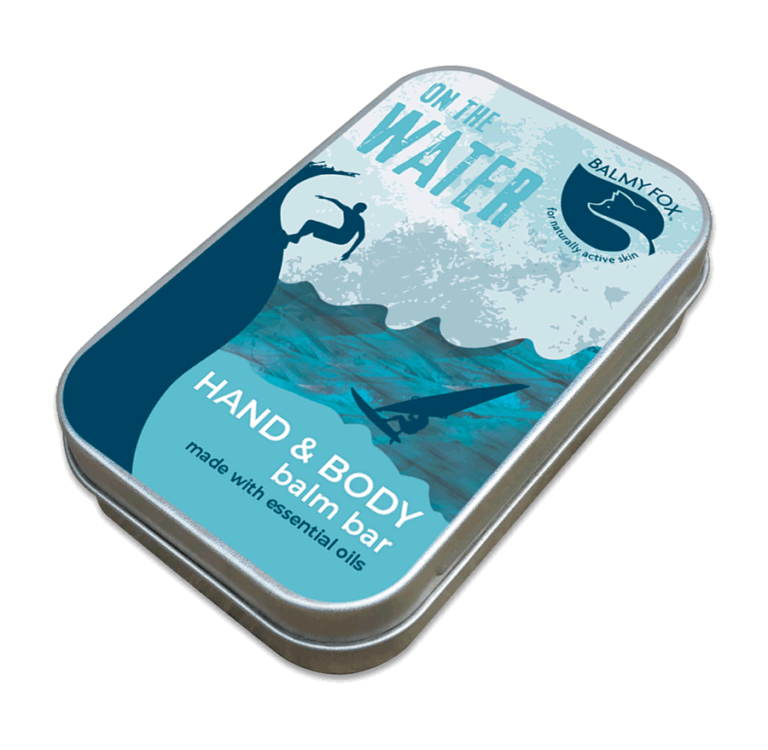
Water Balm Bar (£16.90). A solid balm of beeswax and plant waxes that melts slightly on contact. Smooth a thin layer over your face and the backs of your hands before you go in, and use it again on dry patches afterwards. No liquid, no leaks in a wet kit bag.
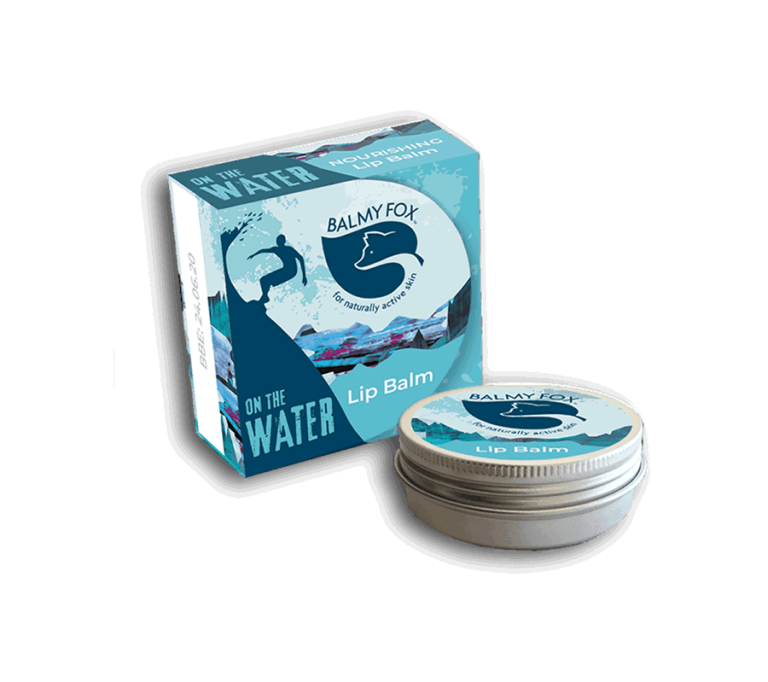
Water Lip Balm (£6.80). Beeswax and plant oils for lips that take a battering from wind and salt. On before you go in, again once you’re dressed.
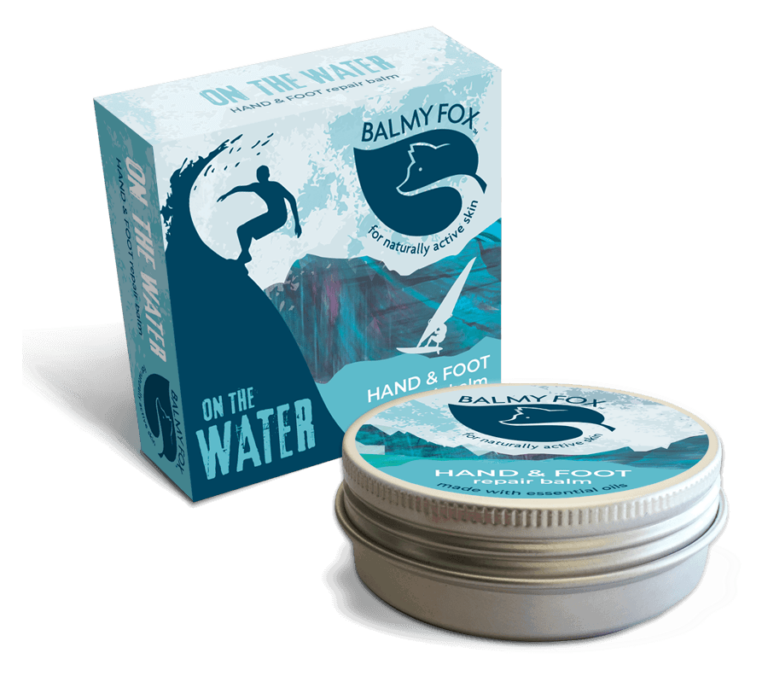
Water Hand and Foot Repair Balm (£16.10). Our thicker balm for hands and feet that come out of cold salt water rough and dry. Best used that evening, once you’re warm.
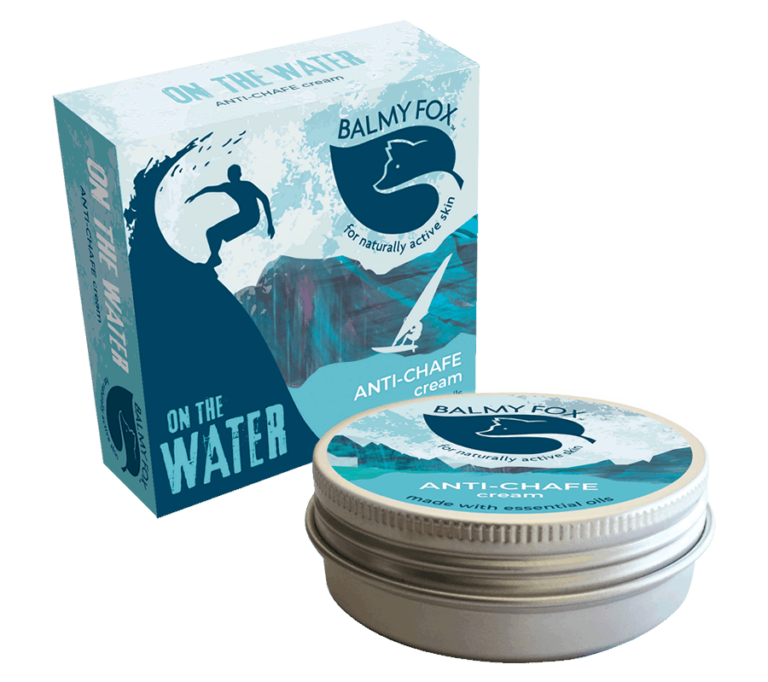
On the Water Anti-Chafe Cream (£14.90). Helps reduce friction where a wetsuit rubs, especially around the neck seal and under the arms.
Know someone doing a dip this year? Our Water kits bundle these together, and you can add a Christmas Gift Bag. If you’re ordering for Christmas, check our Christmas delivery dates.
A festive dip is one of the best ways to start a new year: cold, daft and full of people cheering each other on. Respect the water, follow the safety advice, and look after your skin before and after. Browse the Water range and pack your kit bag the night before.