Early-season ski preparation is mostly about kit, information and habits rather than conditions. First snow on high ground does not mean skiable cover, and a dusting on Pen y Fan is not the start of a season. Use the period to check boots, gloves, goggles and layers, build a simple skincare routine of cleanse, moisturise, barrier balm and sun protection, and get into the habit of reading mountain weather forecasts before you go. Cold, wind, dry air and reflected light all act on skin well before resorts open.
There is a particular morning in October when someone posts a photo of Pen y Fan with a white top on it, and half of Wales decides winter has arrived. It usually has not. By lunchtime the snow has gone, the path is a bog, and the person who drove two hours for it is sitting in a car park in a wet fleece.
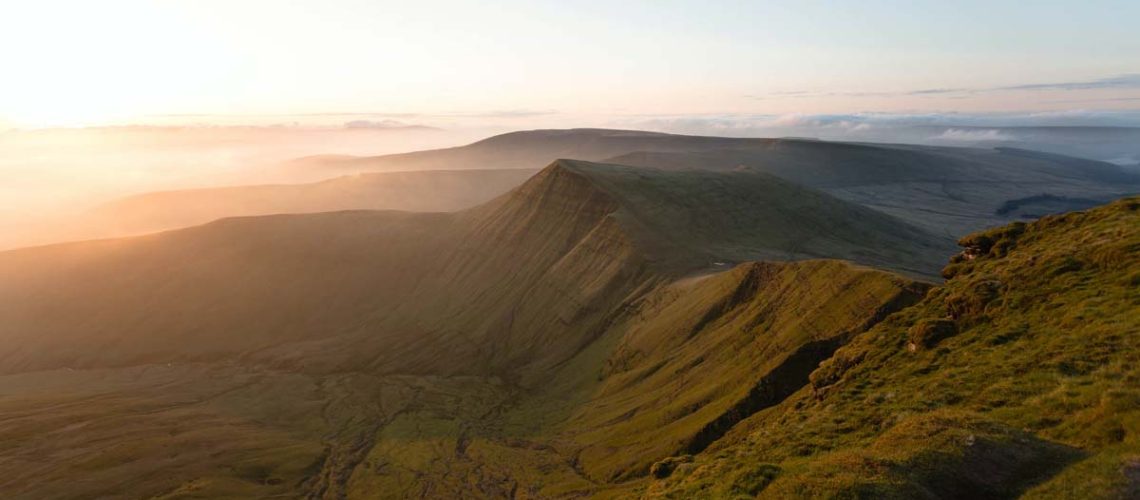
Bannau Brycheiniog — the Brecon Beacons — tops out at 886 metres on Pen y Fan, the highest ground in southern Britain. That is high enough to hold snow when the conditions line up and low enough that it often does not last the day. Whether any particular October brings snow is not something to predict in an article; the Met Office and the Mountain Weather Information Service publish forecasts for exactly this reason, and mountain conditions can change faster than most people expect.
This guide is for skiers and snowboarders getting ready for the season, winter hillwalkers, and anyone heading for high ground as the weather turns. It is about preparation rather than snow reports: what early snow actually means, what the mountain does to skin, and a checklist that covers skincare, kit, travel, safety and weather.
A white summit and a skiable mountain are two entirely different things, and confusing them is how people end up disappointed, cold or in trouble.
Early snow in Britain is usually thin, wet, patchy and short-lived. It sits on ground that has not frozen, it melts from below as much as from above, and it hides everything underneath it: loose rock, bog, holes, and paths that were perfectly obvious yesterday. In the Alps, an October fall on a glacier or a high north-facing slope may be the base a season is built on. Lower down, it is weather rather than a season starting.
For resorts, the sequence is snow, then cold nights, then a settled base, then lifts turning. Early snowfall is the first step in a long process, and none of the later steps are guaranteed by it. Anyone telling you what conditions will be like in December is guessing.
| Autumn hill weather | Established winter conditions | |
|---|---|---|
| Snow | Thin, wet, patchy, often gone in hours | Consolidated base, holds through the day |
| Underfoot | Bog, wet rock, hidden holes under fresh cover | Frozen ground, névé, ice — different hazards entirely |
| Kit needed | Waterproofs, warm layers, spare gloves, head torch | Add winter boots, ice axe, crampons and the skills to use them |
| Daylight | Shortening fast, and often less than people plan for | Short and predictable — you plan around it |
| Main risk | Getting wet, then cold, then slow | Cold injury, avalanche in relevant terrain, navigation in whiteout |
| For skin | Wind, wet, rapid changes, damp clothing | Sustained cold, dry air, reflected UV, long exposure |
The autumn version catches people out because it looks manageable. Wet and windy at 7°C with a stiff breeze takes heat out of you faster than a still, dry day at freezing, and wet clothing is the reason most people get properly cold on a British hill.
None of this is dramatic. It adds up, which is the point.
The outer layer of skin holds moisture in and keeps ordinary irritants out. Winter mountain skincare is about supporting that job: protect before exposure, cover what you can, and put moisture back afterwards.
They are the parts that stay out. Everything else is under fabric.
Cheeks present the largest uncovered area and take wind directly. The nose gets wind, sun and repeated wiping in the cold, which adds friction to the mix. Ear rims have thin skin and a limited blood supply, and they are almost always uncovered — which is why they sting first. Lips have no oil glands of their own, so they dry out faster than the surrounding skin and take reflected UV from below at the same time. Hands cycle between warm and damp inside gloves and cold and exposed at every gate, map check, buckle and sandwich.
Those five places account for most winter skin complaints. Protect them and the rest largely looks after itself.
This is the habit worth building now, before the trip. A light everyday moisturiser is mostly water and absorbs quickly, which suits indoor use. On an exposed ridge in a wind, a richer barrier balm behaves differently: it is oilier, it sits on the surface longer, and it slows the rate at which moisture leaves.
That is why a natural balm for skiers goes on before you head out rather than after you come back. Cheeks, nose, ear rims, lips, the backs of the hands. Let it settle for a minute before you handle poles, buckles or a rope.
Two honest limits. A cosmetic balm helps skin stay comfortable and hold moisture — it is not a medical treatment, and it does not protect against frostbite, chilblains or any other cold injury. And a heavy product on wet, raw or broken skin usually feels unpleasant. If skin is already sore, keep it clean and protected and leave the heavy layer off until it settles.
The single most under-rated risk of an early-season day out. UV intensity increases with altitude, snow reflects a large proportion of it back upwards, and cloud reduces UV less than people assume. A cold, bright day at 800 metres on fresh snow can deliver considerably more UV than the temperature suggests.
Use a broad-spectrum sunscreen and a lip balm with SPF, and pay attention to the places that catch reflected light: under the chin, under the nose, the ears, and the strip between goggles and helmet. Reapply through the day according to the product directions. Mineral sunscreens using non-nano zinc oxide sit on the surface and reflect UV rather than absorbing it, and they tend not to sting when they mix with sweat.
Eyes matter too. Reflected light off snow is why goggles or proper sunglasses are equipment rather than an accessory on a bright winter day.
October is for finding out what does not work, in the garden, rather than in a car park at 8am in December.
This is the part that separates a good early-season day from a wasted or dangerous one.
Start it now and it will be automatic by the time you are standing in a lift queue.
The rule is reachability. Anything in the bottom of a rucksack does not get used.
| Category | Check |
|---|---|
| Personal skincare | Moisturiser in daily use · barrier balm for exposed skin · lip balm with SPF · broad-spectrum sunscreen · gentle cleanser · hand balm · anything new patch-tested |
| Clothing and equipment | Boots tried with the right socks · two pairs of gloves · goggles checked for lens, strap and foam · helmet fit · wicking base, warm mid, waterproof shell · no cotton |
| Travel preparation | Road and pass conditions · travel insurance that covers what you are doing · lift and resort information treated as a plan, not a promise · kit that fits the transport |
| Mountain safety | Head torch with fresh batteries · first-aid kit · whistle · spare warm layer · food and water · navigation that works without a phone · someone told your route |
| Weather checks | Mountain forecast rather than the town one · freezing level · wind speed at height · daylight hours · avalanche information where a service exists · warnings before you set off |
Early booking usually gets you a better price and more choice, and there is a reason people do it. What it cannot get you is snow.
Sensible ways to hold both thoughts at once: look at what a resort offers when conditions are poor, check the cancellation and change terms before you pay, consider insurance that covers travel disruption, and be honest about how much of the trip is skiing and how much is being somewhere beautiful with people you like. Anyone selling certainty about December snow in October is selling something.
The preparation in this article is worth doing either way. Kit that fits, information habits and a skincare routine you trust all pay off on a hillwalk in Wales as much as on a week in the Alps.
No. Early snow on British hills is usually thin, wet and short-lived, and it sits on ground that has not frozen. Resorts need snowfall, then cold nights, then a settled base before lifts turn. Treat a white summit as weather rather than a season starting, and check current mountain forecasts before planning around it.
Cleanse gently, moisturise, then apply a barrier balm to cheeks, nose, ear rims, lips and the backs of the hands before you go out. Add broad-spectrum sunscreen and an SPF lip balm if there is snow or bright light. Let the balm settle for a minute before you handle poles, buckles or a rope.
Often yes. Temperature has no bearing on UV, cloud reduces it less than people assume, and UV intensity increases with altitude. Snow reflects a large proportion back upwards, which is why the underside of the chin and nose burn. Check the UV index in the forecast rather than judging by how cold it feels.
For exposed skin before you go out, usually yes. Balms are richer and stay on the surface longer, so they slow moisture loss in cold wind. Light moisturisers absorb quickly and suit indoor use and the evening. Most hill people end up using both, at different moments in the day.
No. Cosmetic balms help skin stay comfortable and hold moisture; they do not protect against cold injury. Frostbite, frostnip and chilblains are medical matters prevented by staying warm and dry, covering up, and getting out of the cold. Seek medical advice for numbness or skin that turns waxy, white, grey or hard.
Autumn conditions mean bog, wet rock, patchy snow and rapid changes, with getting wet and cold as the main risk. Established winter conditions mean frozen ground, névé and ice, which need winter boots, an ice axe, crampons and the skills to use them. Fresh snow on unfrozen ground looks like winter and behaves like autumn.
Use a mountain-specific forecast rather than the town forecast. The Mountain Weather Information Service covers the Welsh hills, and the Met Office publishes mountain forecasts and weather warnings. Pay particular attention to the freezing level, wind speed at height and daylight hours, all of which change a day more than valley temperature does.
No. The Scottish Avalanche Information Service publishes daily forecasts for the main Scottish areas during the winter season, but there is no equivalent forecast service for Wales or England. Where no forecast exists, terrain choice, current conditions reports and personal judgement carry more weight, and avalanches on British hills outside Scotland are rare but not unheard of.
The lens, the strap and the foam. Make sure the lens tint suits flat light as well as bright sun, that the strap still holds tension, and that the face foam has not perished or hardened. Then check the fit with the helmet you will actually wear — a gap between goggles and helmet is where people burn.
Two pairs of gloves, a balm morning and evening, and lukewarm rather than hot water when you wash. Hands cycle between warm and damp inside gloves and cold and exposed at every stop, and knuckles and cuticles split first. A dry spare pair of gloves does more for your hands than any product.
Balmy Fox makes natural skincare in Mid Wales, a short drive from the hills this article is about. The Slope range is built for cold, dry mountain air and light coming back off snow, and everything comes in screw-top aluminium tins — jacket-pocket sized, and they do not pop open when you sit on them.
Broad-spectrum mineral sun protection built on non-nano zinc oxide, which reflects UV at the skin surface rather than absorbing it. Marine-safe, formulated without oxybenzone or octinoxate, and no sting when it mixes with sweat. The lip balm is the one to keep where you can reach it with gloves on. Slope Sun Protection Cream SPF 25 · Slope Sun Protection Lip Balm SPF 25
The daily one. Use it morning and evening from now, so the habit is established well before the first proper trip. Slope Moisturising Cream Tin
A 60g tin for hands that have been in and out of damp gloves all day and feet that have been in boots since dawn. This is the evening one. Slope Hand and Foot Repair Balm
Camphor, eucalyptus, menthol and arnica for legs that have remembered what a long descent feels like. Early season is exactly when they complain. Slope Muscle Rub
Ready before the snow is
Browse the Slope range for mineral SPF, lip balm, moisturiser and muscle rub built for cold, dry mountain air — or take a Slope kit and have it sorted in one go.