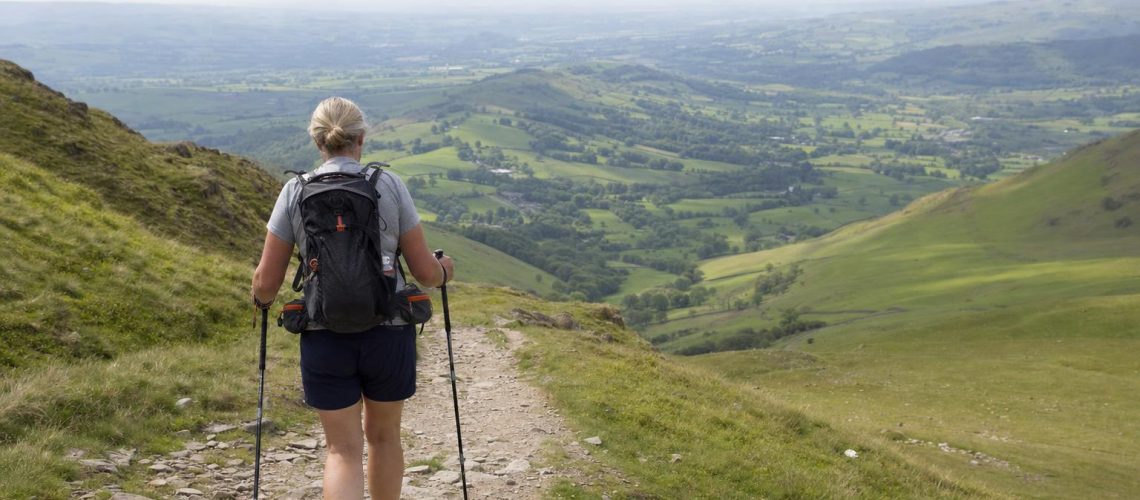
Quick answer: A day hike skincare kit only needs to cover four things: sun protection (even under cloud), lip protection, anti-chafe for feet and skin folds, and something for hands and any small cuts or blisters at the end. Four small items fit in one rucksack side pocket and cover a UK day out from a gentle valley walk to a full ridge crossing. You don’t need the fuller, multi-day kit a thru-hiker carries — just the essentials, packed so you’ll actually use them.
Most people packing for a single day on the hills either overpack a full washbag “just in case,” or forget skincare entirely because it feels like a multi-day-trip concern. Neither is right. A day hike has real, predictable skin risks — UV, wind, friction, cold hands at the top — and a genuinely small kit covers all of them.
This is written for the UK day walker: a half-day valley walk, a full ridge or summit day, a family walk that turns into six miles because the weather held. It’s deliberately different from a multi-day thru-hiking kit (that’s a separate topic, since overnight repair and pack weight over several days change the calculation) — this is about the smallest kit that covers one day out and back to the car or the pub.
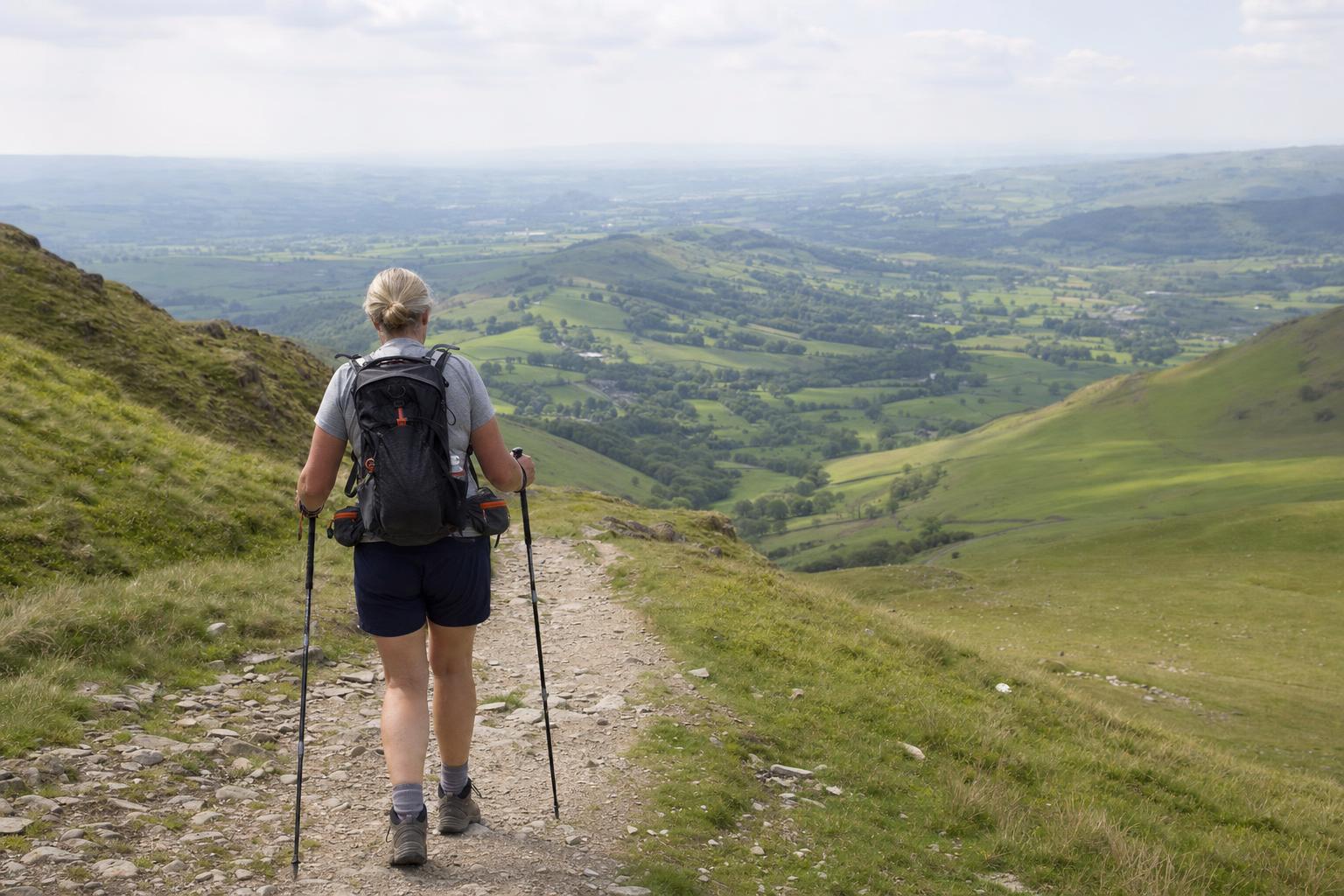
It’s easy to assume skincare is a multi-day-trip concern — something for a thru-hike or a week in the Alps, not a Saturday walk. But most of the risk in a day hike happens regardless of duration:
None of this needs a big kit to solve. It needs the right small kit, packed where you’ll actually reach for it.
The same pattern shows up whether the day out is a gentle valley walk in the Peak District, a full ridge crossing in the Brecon Beacons, or a Lake District summit day that starts overcast and turns bright by lunchtime. British hill weather changes over the course of a single day more often than it stays the same, which is exactly why a small, always-carried kit works better than deciding what to pack based on the forecast alone.
A handful of avoidable habits explain most of the skin problems people bring home from a day out.
A cool, breezy day can still carry strong UV, especially at height, and a lot of hillwalkers only reach for sun protection when they feel warm. Skin doesn’t work on the same signal — it burns from UV exposure regardless of air temperature.
If reaching your balm means taking your rucksack off, unpacking a food bag and a spare layer to get to it, you will skip it more often than not. Anything you won’t use from where it’s packed isn’t really part of your kit.
Anti-chafe cream works best applied before friction starts, not once a hot spot has already formed. The same goes for lip balm and hand balm — reactive application after discomfort starts is playing catch-up against skin that’s already compromised.
A three-hour walk in new boots or wet weather can cause as much friction and sun exposure as a much longer day in kinder conditions. Duration matters less than conditions, terrain and what you’re wearing.
| Item | Why it earns its place | Pack it as |
|---|---|---|
| Sun protection | UV reaches skin through UK cloud cover; exposed hands, face, neck and ears are usually undressed all day | A 60g screw-top tin — well within the 100ml airline limit if you’re also flying to the trailhead |
| Lip balm, SPF-rated | Lips crack fast in wind and dry air, and are almost always left unprotected | Clipped or tucked somewhere you’ll use it without stopping to dig through a bag |
| Anti-chafe cream | Friction on feet, thighs and underarms builds through a long day and is far easier to prevent early than to manage once it starts | Applied before you set off, at trailhead, not once it starts to hurt |
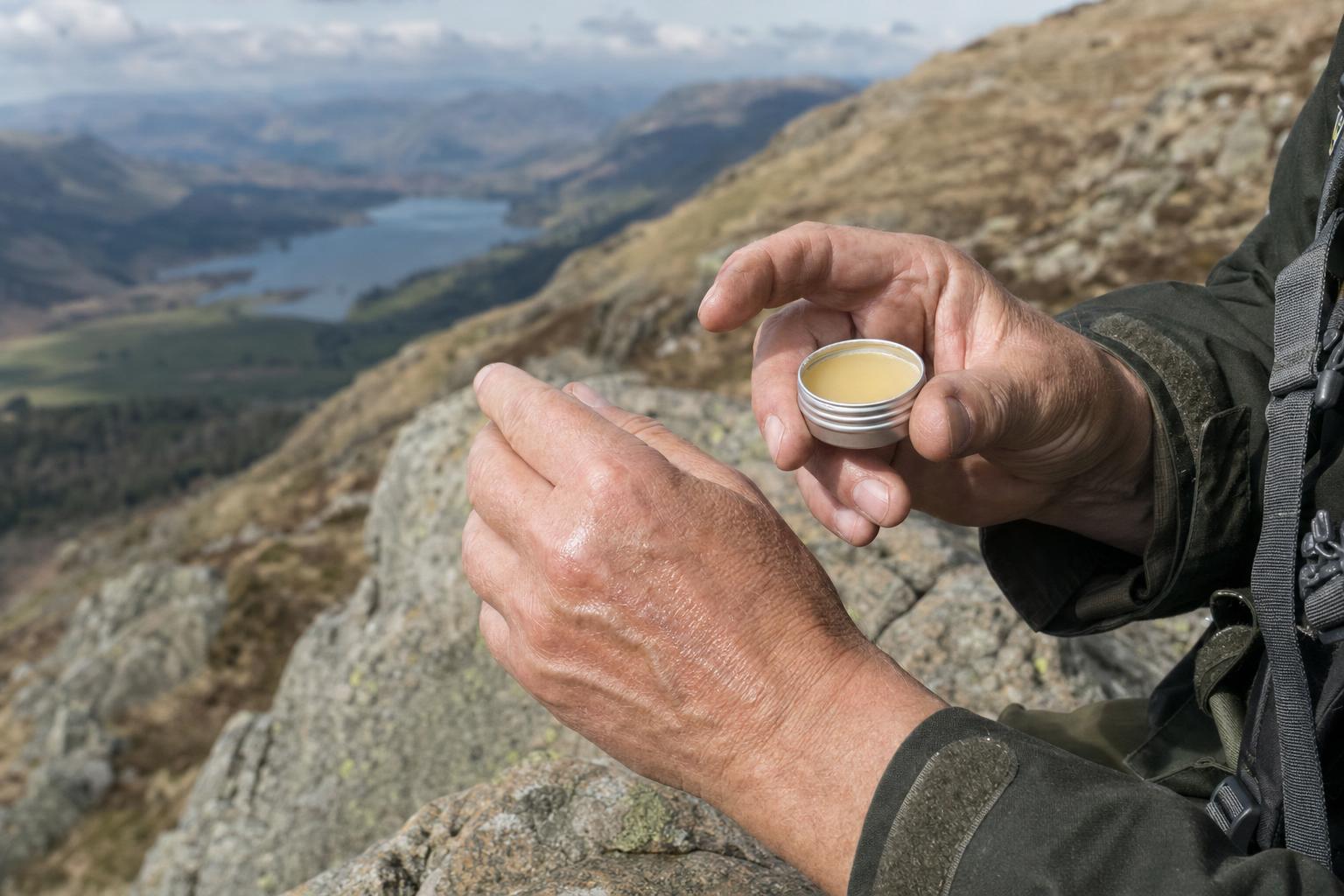
| Hand and foot repair balm | Cold hands, wind-dried skin and a blister or hot spot are the most common end-of-day complaints | Small tin, used at the summit stop or the end of the walk |
That’s the complete list. Four small tins, none of them liquid-restricted in any meaningful way, all fitting easily in a rucksack side pocket or hip-belt pocket.
A day hike doesn’t need the fuller kit a multi-day trip does. You can reasonably skip:
The single biggest reason a sensible skincare kit doesn’t get used isn’t that people forget to pack it — it’s that it ends up at the bottom of the main compartment, under food and spare layers, where reaching it means stopping and unpacking. A few habits fix this:
| Season | Main risk | What to prioritise |
|---|---|---|
| Autumn | Wind and rain, cooling temperatures, dropping light | Anti-chafe (wet fabric increases friction) and hand balm for the first proper cold snaps |
| Winter | Wind chill, cold hands, low sun angle glare | Hand and foot repair balm, lip balm, and don’t assume low winter sun means low UV risk |
| Spring | Changeable weather, first warm days catching unprepared skin | Sun protection, since spring sunburn is common precisely because people aren’t expecting it yet |
| Summer | Sustained UV, sweat-related chafing, longer days out | Sun protection reapplied at stops, anti-chafe for longer distances |
A dry day hike is, statistically, the exception rather than the rule for a lot of the UK hiking calendar. Wet trousers, waterproof over-trousers rubbing against skin, and boots that stay damp for hours all increase friction in places that stay dry on a fine day — inner thighs, behind the knees, and around ankle cuffs. Rain doesn’t reduce the case for anti-chafe cream; if anything, it strengthens it, since wet fabric moves against skin more than dry fabric does.
Mud, stiles and boggy ground also mean hands end up wet, cold and repeatedly wiped on trousers through the day, which dries them out faster than a dry-weather walk would. A hand balm at the halfway point and again at the end makes a genuine difference on exactly the kind of grey, damp day that’s most common on a British hillside. See our guide to anti-chafe cream for wet-weather running and walking for more on why rain specifically makes chafing worse.
UK mountain and hill forecasts — the Met Office’s mountain area forecasts, or the Mountain Weather Information Service for popular upland areas — are worth checking before any day hike, since summit conditions can differ sharply from the valley or the car park. But a good forecast check doesn’t replace the skincare kit; it just tells you which of the four items matters most that day.
A forecast showing high UV and light wind points to sun protection as the priority. A forecast showing wind chill and low cloud on the tops points to hand balm and lip balm. Rain and mild temperatures still carry a real chafe risk, since wet fabric increases friction rather than reducing it. The safest approach is to check the forecast for emphasis, but carry all four items every time regardless of what it says — British hill weather is well known for changing faster than forecasts update.
Family walks add a few extra considerations. Children’s skin burns faster and shows wind and cold effects sooner than adult skin, and children are far less likely to notice or mention early chafing, a cold-cracked lip, or a sunburnt neckline until it’s already uncomfortable. Applying sun protection and lip balm before setting off, rather than waiting for a child to ask for it, and checking hands, cheeks and the back of the neck at a lunch stop, catches most problems before they become the reason the walk ends early.
Two minutes at the car park or trailhead, before boots even go on properly, covers most of what a day hike needs:
That’s the whole routine. It adds two minutes to the start of a walk and meaningfully changes how the last few miles feel.
Yes. UK cloud cover blocks a meaningful amount of visible light but a much smaller proportion of UV, so skin can still burn on an overcast day, particularly at altitude where UV intensity increases.
A day hike kit only needs to last a few hours and doesn’t need overnight repair products or backup tins — a thru-hiking kit has to survive multiple consecutive days, so it typically carries more redundancy and a wider range of repair products.
Anti-chafe cream applied at the trailhead on known friction points, well-fitted boots that are already broken in, and addressing a hot spot the moment you notice it rather than walking on through it all help. If a blister does form, that’s a first-aid matter rather than a skincare one.
Sun protection, an SPF lip balm, anti-chafe cream and a hand and foot repair balm cover the great majority of what a UK day out actually needs, regardless of season.
Yes — a 60g screw-top tin is well within the 100ml liquid allowance, and a solid balm bar isn’t classed as a liquid at all, so neither raises a question at the tray.
Friction risk depends more on distance, terrain, and what you’re wearing than on how the walk is labelled — a shorter walk in wet or new kit can still cause chafing, so it’s worth applying if any of those factors apply, not just on longer days.
Gloves reduce wind chill but don’t stop moisture loss from cold, dry air, and taking gloves off to use a map, food or a phone repeatedly exposes hands directly. A hand balm reapplied at stops helps offset both.
A parting or thinning area is a common place to burn on a long day outdoors, so either a hat or sun protection on any exposed scalp is worth considering, especially at altitude or midday.
It’s more useful once you’ve stopped than while you’re still moving — most people find it works better applied at home after the walk than mid-route.
Four small tins — sun protection, SPF lip balm, anti-chafe cream, and a hand and foot repair balm — cover the great majority of situations a UK day walker will meet.
Only situationally — still evenings near water in midge season, for example — rather than as a default addition to every day-hike kit; check the season, location and forecast rather than packing it as a reflex.
Roughly every two hours in strong sun, and after heavy sweating, rather than relying on a single application at the trailhead to last the whole day.
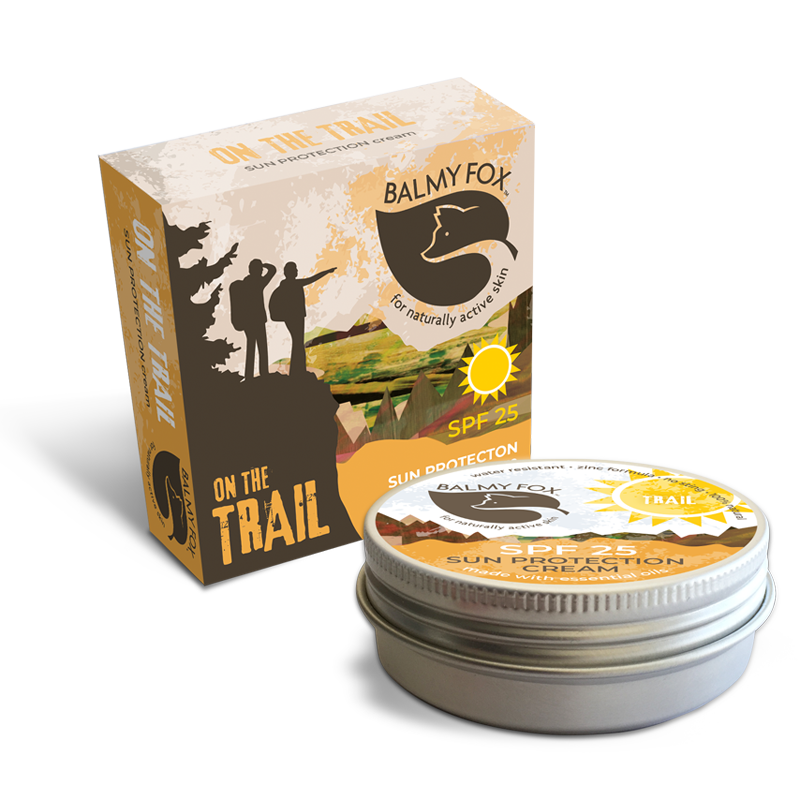
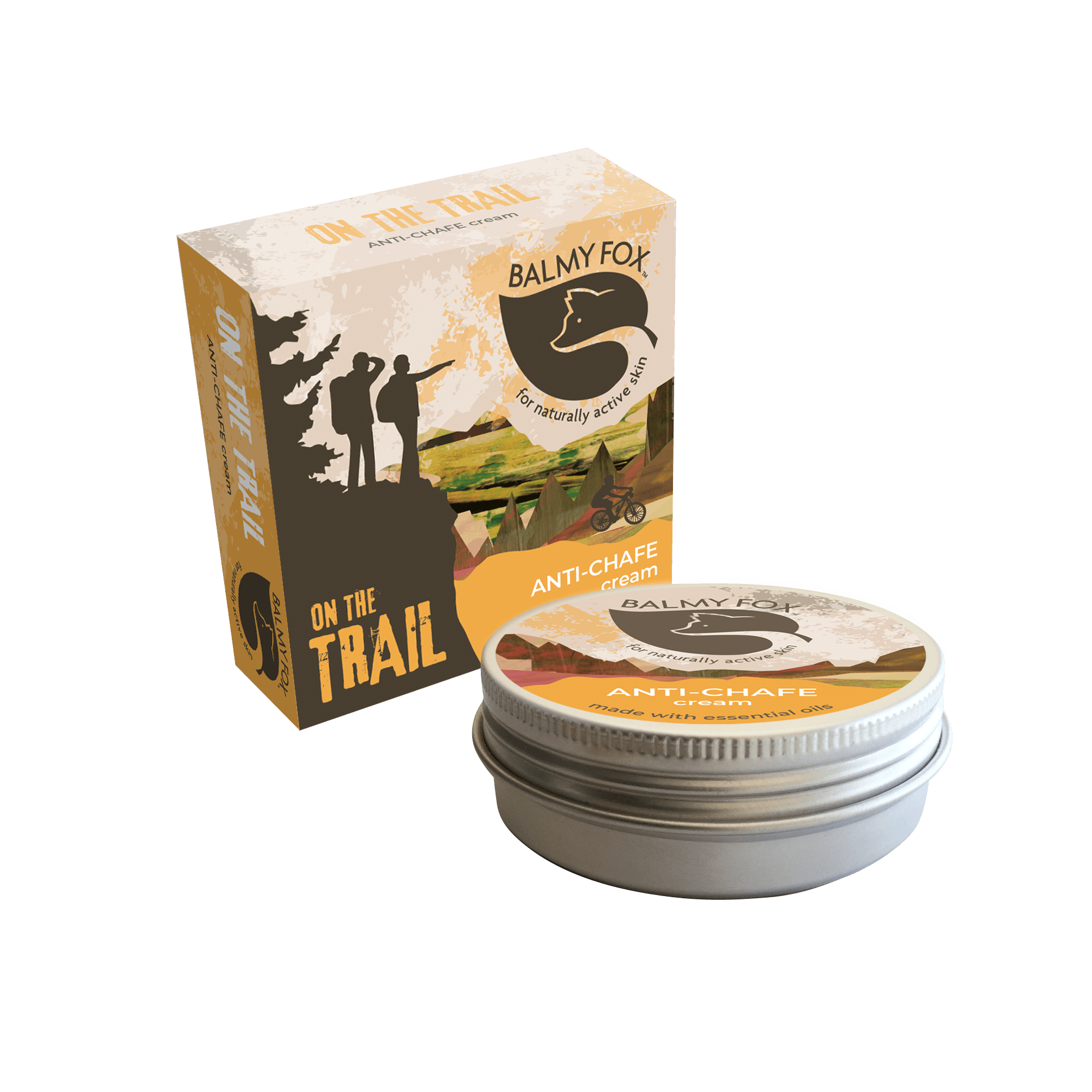
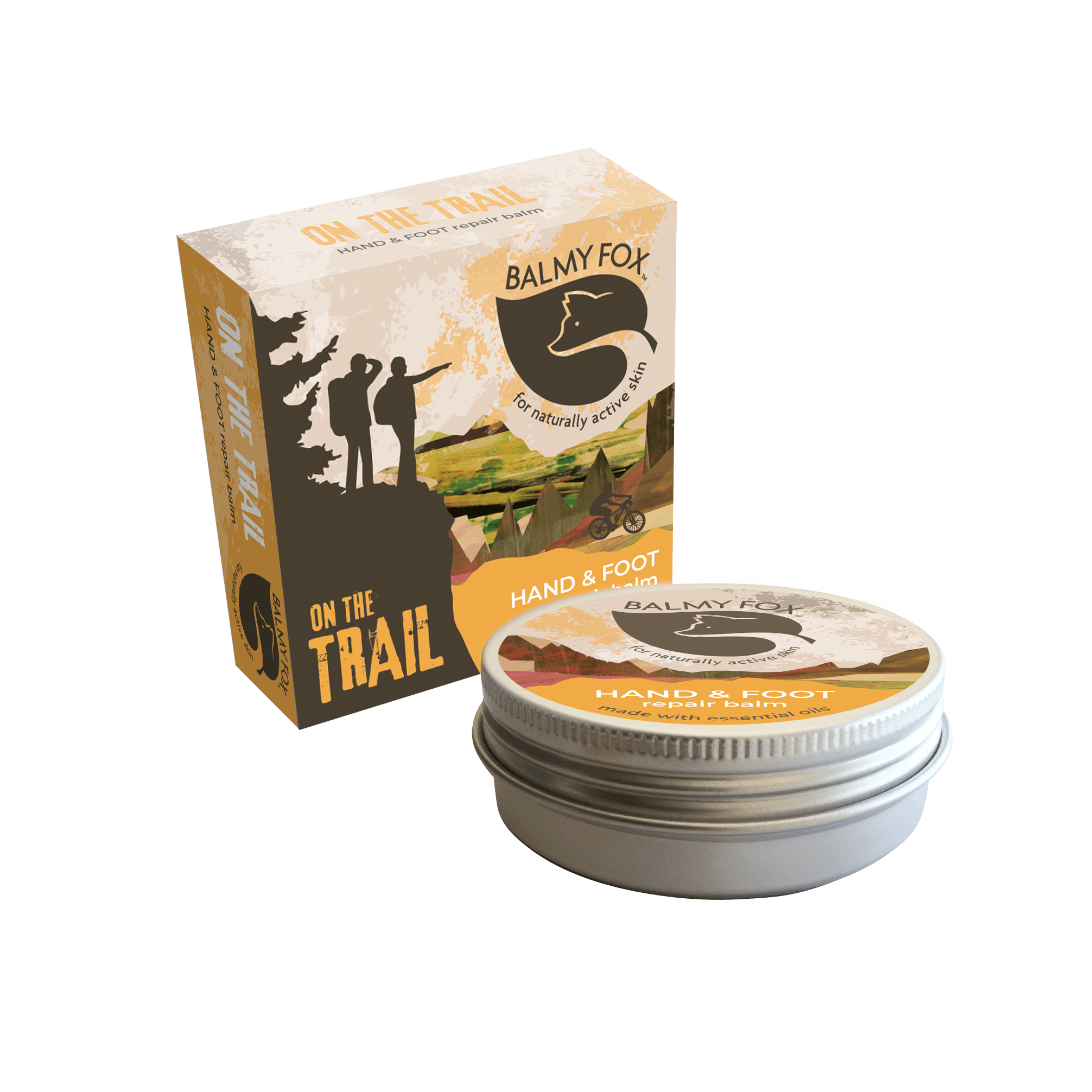
A day hike doesn’t need a full washbag or an empty pocket — it needs four small, genuinely useful products, carried somewhere you’ll reach for them without breaking stride. Balmy Fox’s Trail range is built around exactly that: 60g screw-top tins that fit a rucksack side pocket or hip-belt pocket, none of them raising a question at airport security if your day hike happens to start with a flight.
The Trail Sun Protection Cream SPF 25 and Trail Lip Balm cover UV and wind on the way up; the Trail Anti Chafe Cream, applied before you set off rather than once it hurts, helps reduce friction on feet and skin folds through a long day; and the Trail Hand and Foot Repair Balm is there for cold hands and hot spots at the summit stop or back at the car.
Build your own day-hike kit from the full Trail range at balmyfox.co.uk, or shop the ready-made Trail Kit for all four in one go.